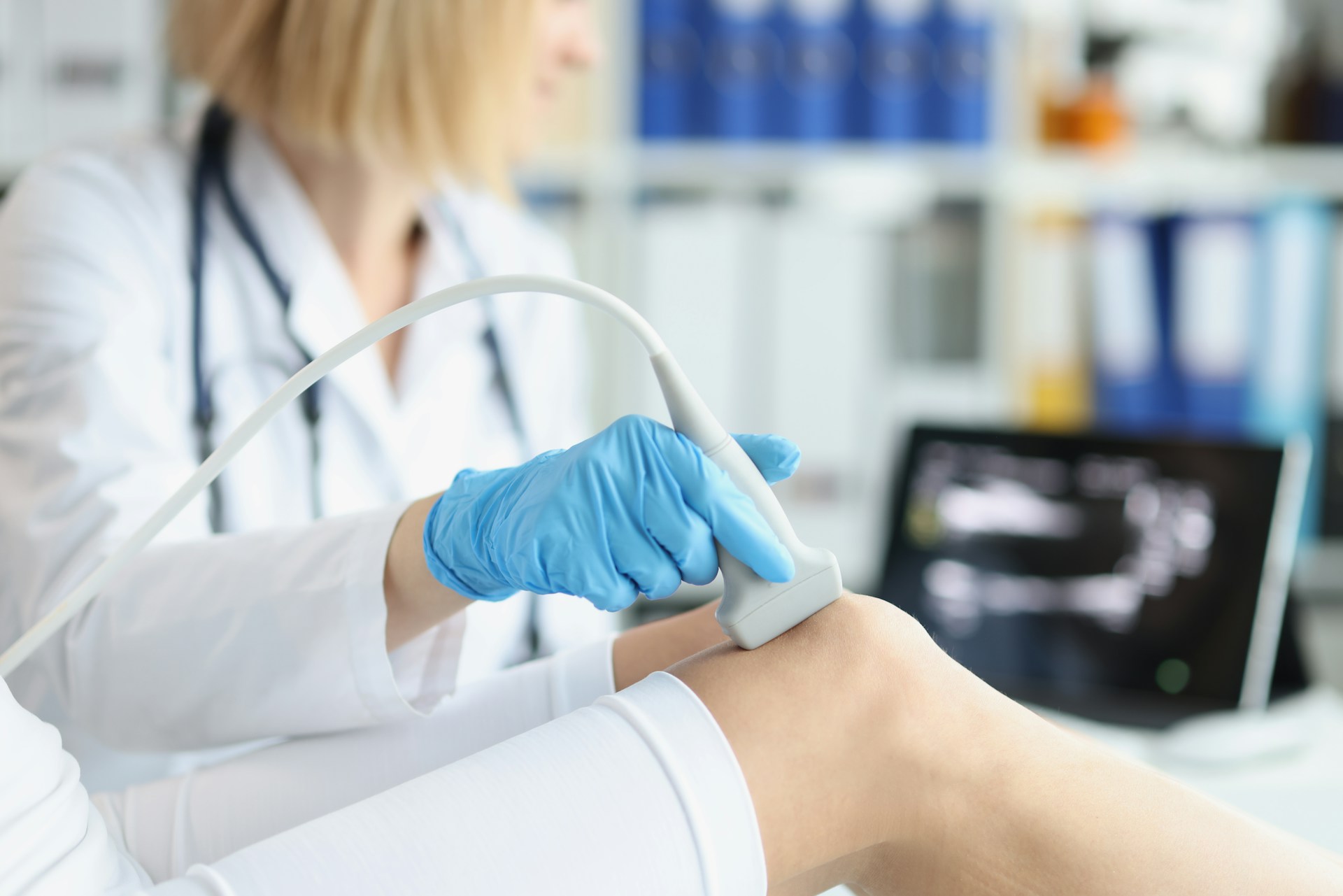
Peripheral arterial disease is far more common than most people realize, yet it often remains undiagnosed for years. Many individuals live with symptoms they assume are part of aging, unaware that an underlying circulatory issue is developing. In fact, leg circulation health is one of the earliest indicators of how well the body delivers oxygen and nutrients to muscles and tissues.
Understanding this condition empowers people to act sooner, seek medical guidance, and reduce the risk of severe complications. Because blood flow affects everything from walking comfort to wound healing, learning the basics of peripheral arterial disease can make a meaningful difference in daily life and long-term wellness.
What Peripheral Arterial Disease Means for the Body
Peripheral arterial disease, commonly called PAD, occurs when arteries outside the heart become narrowed or blocked. Most often, this affects the legs, although arms can be involved in some cases. The primary cause is a buildup of plaque, which contains cholesterol, fat, and inflammatory substances that stick to the inner walls of arteries.
As arteries narrow, blood struggles to reach muscles during activity. Over time, this reduced flow leads to pain, weakness, and tissue damage. Because PAD develops slowly, symptoms may appear mild at first. However, the condition signals a broader issue within the vascular system, which means the heart and brain may also face increased risk.
Early Symptoms That Often Go Overlooked
One of the earliest and most common signs of PAD is leg pain during walking that improves with rest. This pain may feel like cramping, tightness, or fatigue in the calves, thighs, or hips. While many people dismiss this discomfort, it reflects reduced oxygen supply to working muscles.
Other warning signs include numbness, tingling, or coldness in the feet or lower legs. Some individuals notice slow-healing cuts or changes in skin color. In advanced stages, pain may occur even while resting. Because these symptoms progress gradually, recognizing them early can prevent serious complications.
Risk Factors That Increase the Chance of PAD
Several factors raise the likelihood of developing peripheral arterial disease. Smoking remains the strongest contributor, as it damages blood vessels and accelerates plaque buildup. Diabetes also plays a significant role because high blood sugar harms artery walls over time.
High blood pressure and high cholesterol further increase risk by placing constant stress on arteries. Age matters as well, especially for people over 50 who have additional risk factors. Family history can also contribute, which means genetics may influence vulnerability. Because these factors often occur together, many individuals face PAD without realizing it.
Why Peripheral Arterial Disease Is Often Undiagnosed
PAD frequently goes undetected because symptoms mimic everyday aches or fatigue. Many people reduce activity when walking becomes uncomfortable, which temporarily hides the problem. As a result, the condition continues to progress silently.
Routine checkups do not always include circulation testing unless symptoms are reported. Therefore, patients may not receive evaluation until the disease becomes more severe. Increased awareness among patients and providers helps close this gap and leads to earlier diagnosis and intervention.
The Importance of Early Diagnosis and Screening
Early detection of peripheral arterial disease enables simpler, more effective treatment. One standard screening method is the ankle-brachial index test, which compares blood pressure in the ankle and the arm. This painless test quickly helps identify reduced blood flow.
Diagnosing PAD early also lowers the risk of serious complications. People with PAD face a higher chance of heart attack and stroke because atherosclerosis often affects multiple areas of the body. By addressing PAD promptly, patients protect both limb health and overall cardiovascular function.
How PAD Affects Daily Life and Independence
Peripheral arterial disease can significantly impact everyday activities. Walking short distances may become difficult, which limits independence and social engagement. Tasks such as shopping, exercising, or standing for extended periods may feel exhausting or painful.
Beyond physical effects, PAD can influence emotional well-being. Chronic discomfort and reduced mobility often lead to frustration or anxiety. However, with proper treatment and lifestyle adjustments, many people regain confidence and improve their quality of life.
Treatment Approaches That Improve Circulation
Treatment for peripheral arterial disease depends on severity and individual health factors. Lifestyle changes form the foundation of care. Quitting smoking improves circulation and slows disease progression. Regular physical activity strengthens muscles and encourages better blood flow.
Medications may help control cholesterol, blood pressure, and the risk of blood clots. In some cases, doctors recommend procedures such as angioplasty or stent placement to open narrowed arteries. These interventions restore circulation and relieve symptoms, primarily when conservative measures do not provide enough relief.
The Role of Exercise in Managing PAD
Although walking may initially cause discomfort, exercise remains one of the most effective treatments for PAD. Supervised walking programs help muscles adapt and use oxygen more efficiently. Over time, patients often notice they can walk farther with less pain.
Consistency is key. Short, frequent walks help develop new blood vessels and improve endurance. Because exercise also benefits heart health, it supports overall vascular wellness while reducing PAD symptoms.
Nutrition and Lifestyle Choices That Support Vascular Health
Diet plays a vital role in managing peripheral arterial disease. Foods rich in fiber, healthy fats, and antioxidants help reduce inflammation and plaque buildup. Limiting processed foods, added sugars, and excessive salt supports healthier arteries.
Managing stress and maintaining a healthy weight also contribute to better circulation. Regular checkups allow doctors to monitor risk factors and adjust treatment plans as needed. These lifestyle habits work together to slow disease progression and protect long-term health.
Long-Term Risks of Untreated Peripheral Arterial Disease
When left untreated, PAD can lead to serious complications. Reduced blood flow increases the risk of infections and non-healing wounds. In severe cases, tissue damage may result in limb loss.
PAD also signals widespread artery disease, which raises the risk of heart attack and stroke. Therefore, treating PAD is not only about relieving leg pain. It is about protecting overall cardiovascular health and preventing life-threatening events.
Taking Control Through Awareness and Action
Peripheral arterial disease does not have to control a person’s life. Education, early screening, and consistent care allow many individuals to manage symptoms effectively. Understanding the condition helps people recognize warning signs and seek help sooner.
Ongoing attention to early vascular screening supports timely diagnosis and treatment. By staying informed and proactive, individuals can preserve mobility, protect their independence, and improve long-term health outcomes.