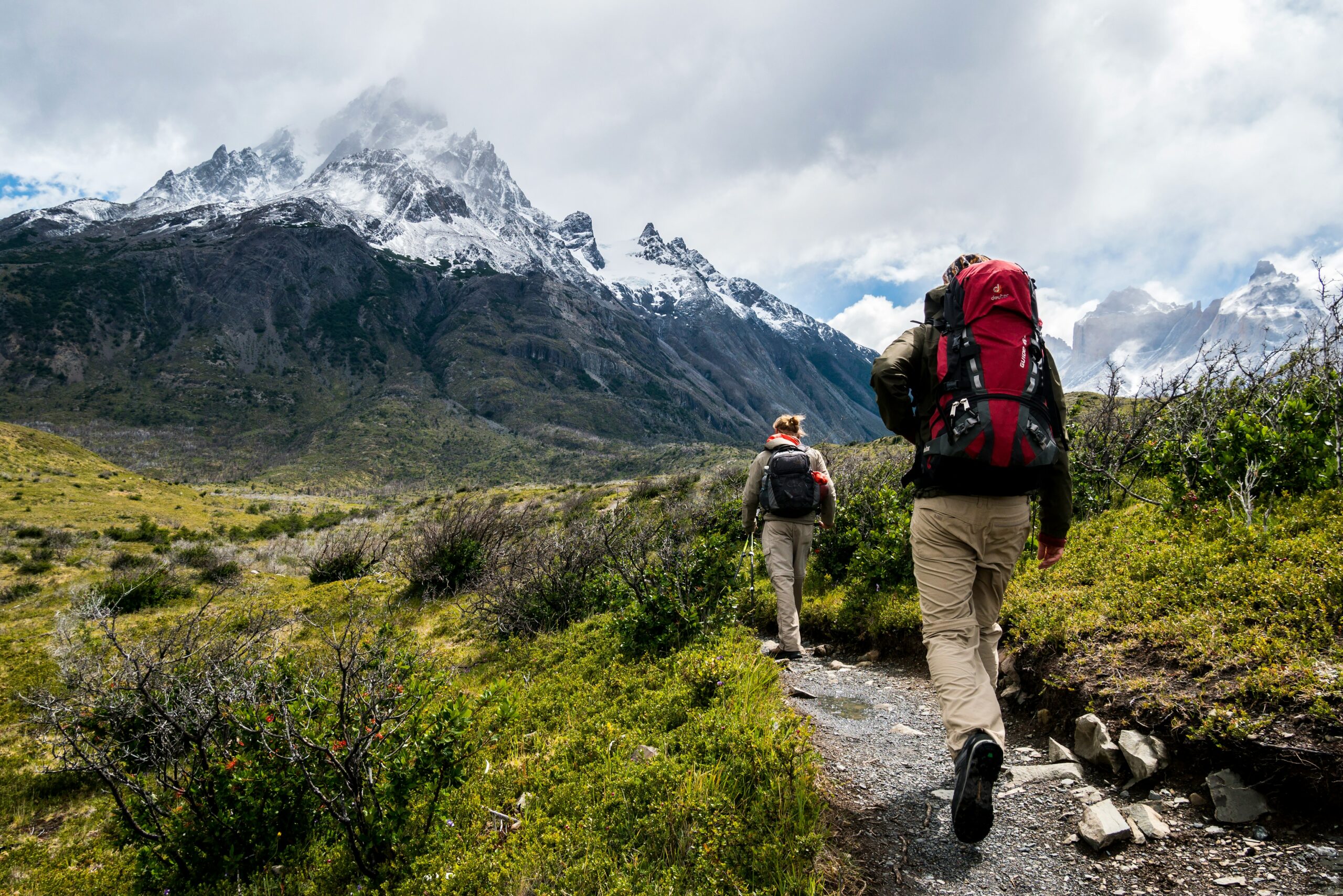
Hiking opens the door to fresh air, scenic views, and a healthier lifestyle, and it doesn’t require extreme fitness or expensive gear to get started. In fact, with the right mindset and a little preparation, anyone can enjoy hiking safely and comfortably. Whether you want a peaceful walk through the woods or a light adventure in the hills, hiking welcomes beginners with endless opportunities to explore nature at their own pace.
Moreover, starting bright makes all the difference. When you understand basic hiking tips and essential trail knowledge, you reduce stress and increase enjoyment. From choosing the right trail to packing wisely, simple decisions help you feel confident on the path ahead. With that in mind, this guide breaks down hiking into easy, beginner-friendly steps so you can focus on the experience instead of the worries.
Choosing the Right Trail for Your First Hike
To begin with, selecting an appropriate trail sets the foundation for a positive hiking experience. Beginners should look for well-marked trails with low elevation gain and shorter distances. Many parks label trails as easy, moderate, or complex, which helps you match the route to your comfort level. Additionally, reading trail descriptions and recent reviews gives you a clearer idea of terrain, weather conditions, and possible challenges.
At the same time, location matters more than many people realize. Trails close to home reduce travel fatigue and make it easier to turn back if needed. Starting with local parks or nature reserves allows you to build confidence while learning basic trail etiquette. As a result, choosing the right trail helps you stay motivated and excited for future hikes.
Essential Gear Every Beginner Hiker Needs
First and foremost, you don’t need fancy equipment to enjoy hiking, but a few essentials make the journey safer and more comfortable. Comfortable footwear tops the list, as supportive hiking shoes or trail sneakers protect your feet and improve balance. Along with shoes, wearing moisture-wicking clothing helps regulate body temperature and keeps you dry during the hike.
In addition, carrying a small backpack with key items prepares you for unexpected situations. Water, snacks, sunscreen, and a basic first-aid kit should always come with you. Furthermore, a fully charged phone or a physical map adds an extra layer of safety. By packing light and bright, you stay focused on the trail rather than unnecessary discomfort.
Staying Safe and Aware on the Trail
Equally important, safety should remain a top priority every time you hike. Before heading out, always tell someone where you’re going and when you plan to return. Checking the weather forecast also helps you avoid sudden storms or extreme temperatures. These small habits, although simple, significantly reduce risks on the trail.
While hiking, staying aware of your surroundings keeps you prepared for changes. Pay attention to trail signs, wildlife, and your energy level as you move forward. If you feel tired or unsure, turning back is always a wise decision. Ultimately, listening to your body and respecting nature ensures a safe and enjoyable hike every time.
Trail Etiquette and Respect for Nature
Just as important as personal safety, proper trail etiquette helps protect the environment and ensures a pleasant experience for everyone. Staying on marked trails prevents damage to plants and reduces erosion. Moreover, yielding to uphill hikers and keeping noise levels low creates a more peaceful atmosphere on the trail.
Additionally, practicing “Leave No Trace” principles shows respect for nature. Carry out all trash, avoid disturbing wildlife, and leave natural objects where you find them. By following these simple rules, you help preserve trails for future hikers. In the long run, respectful behavior keeps outdoor spaces beautiful and accessible.
Building Confidence and Enjoyment Over Time
Finally, hiking becomes more enjoyable as your confidence grows with each trip. Starting slow allows your body to adapt while preventing burnout or injury. Over time, you can gradually increase distance, explore new trails, or hike with friends to make the experience more social and fun.
At the same time, celebrating small achievements keeps motivation high. Whether you finish a new trail or enjoy a quiet walk outdoors, every hike counts. By focusing on progress instead of perfection, you build a lasting habit that benefits both your physical and mental health. In the end, hiking isn’t about speed or skill—it’s about enjoying the journey, one step at a time.