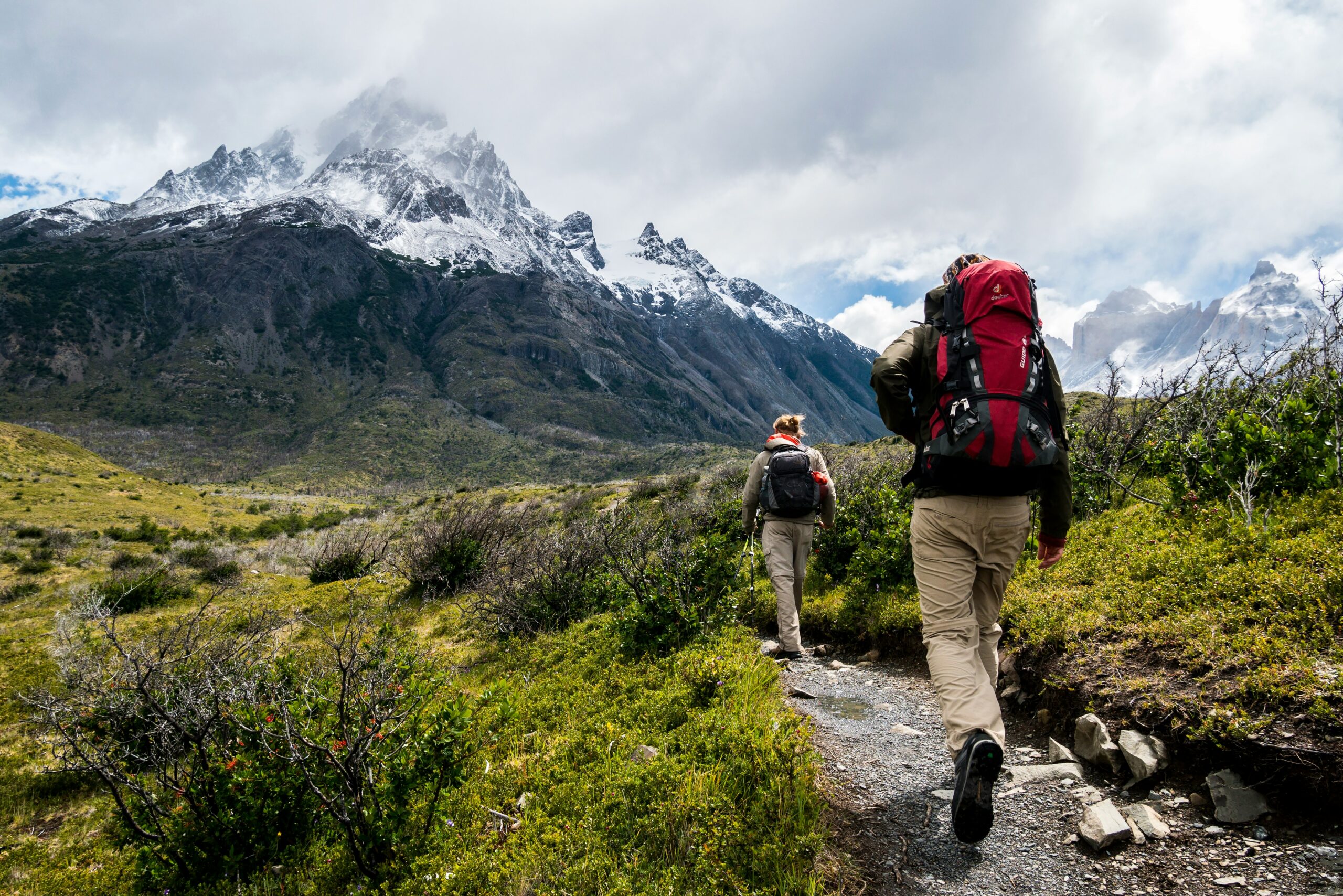
Hiking opens the door to adventure, fresh air, and a deeper connection with nature. Whether you dream of exploring forest trails or climbing scenic hills, you can start hiking without feeling overwhelmed. In fact, with the right mindset and preparation, you can turn any beginner trail into a rewarding experience. Moreover, hiking improves your physical health, sharpens your mental clarity, and allows you to escape the stress of daily life. As you begin your journey, you need a few practical tips and essential gear to ensure it’s safe and enjoyable.
Why Hiking Is Perfect for Beginners
First of all, hiking offers flexibility, which makes it ideal for beginners. You can choose short, well-marked trails that match your fitness level and gradually build your endurance. Unlike intense sports that demand advanced skills from the start, hiking allows you to set your own pace. As a result, you stay in control of your progress and avoid unnecessary pressure. Additionally, most local parks and nature reserves provide beginner-friendly routes, so you do not need to travel far to get started.
Furthermore, hiking requires minimal equipment compared to many other outdoor activities. You do not need expensive gear or professional training to enjoy a walk through nature. Instead, start with comfortable clothes, supportive shoes, and a positive attitude. Over time, you can upgrade your gear as you gain experience. Consequently, hiking remains accessible and affordable for nearly everyone who wants to explore the outdoors.
Choose the Right Trail for Your Skill Level
Before you head out, research trails that match your ability and comfort level. For example, look for routes labeled “easy” or “beginner-friendly” on park websites or hiking apps. These trails usually feature gentle elevation changes and clear markings. In addition, they often include rest areas and scenic viewpoints, which help you take breaks and enjoy the surroundings. By selecting the right trail, you increase your confidence and reduce the risk of injury.
At the same time, pay attention to trail length and terrain type. A three-mile flat trail feels very different from a three-mile rocky uphill path. Therefore, check details such as elevation gain, surface conditions, and estimated completion time. Moreover, read recent reviews from other hikers to learn about weather conditions and any temporary closures. When you plan carefully, you set yourself up for a smoother and more enjoyable hike.
Wear Proper Clothing and Footwear
Appropriate clothing plays a major role in your comfort and safety on the trail. To begin with, choose moisture-wicking fabrics that keep sweat away from your skin. Cotton may feel soft at first; however, it traps moisture and can leave you feeling cold or uncomfortable. Instead, wear lightweight, breathable layers that you can easily add or remove. This way, you adapt quickly to changing temperatures and weather conditions.
Supportive footwear protects your feet and ankles, especially on uneven terrain. While you do not need the most expensive brand, you should prioritize comfort and proper fit. Additionally, break in new shoes before attempting a longer hike to prevent blisters. By wearing the right clothing and footwear, you reduce discomfort and focus more on enjoying the scenery.
Pack Smart and Light
When you prepare for your hike, pack only the essentials. For instance, bring water, snacks, a small first-aid kit, sunscreen, and a map or GPS device. Even on short trails, you should stay hydrated and energized. As a general rule, carry more water than you think you will need, especially during warm weather. Moreover, pack high-energy snacks such as nuts, granola bars, or dried fruit to maintain your stamina.
However, avoid overpacking unnecessary items that weigh you down. A heavy backpack can strain your shoulders and back, particularly if you are new to hiking. Therefore, choose a lightweight backpack with comfortable straps and organize your items efficiently. In addition, check the weather forecast before leaving to decide whether to bring a rain jacket or extra layers. When you pack thoughtfully, you move more freely and conserve your energy.
Stay Safe on the Trail
Safety should always remain your top priority while hiking. To begin with, tell a friend or family member about your plans, including your trail choice and estimated return time. This simple step ensures that someone knows where you are in case of an emergency. Additionally, start your hike early enough to avoid getting caught in the dark, especially during shorter winter days.
Meanwhile, pay close attention to trail markers and signs. Straying off the designated path can lead to dangerous terrain or cause you to get lost. If you feel unsure about your direction, stop and check your map or GPS instead of guessing. Furthermore, listen to your body and take breaks when needed. If you experience dizziness, sharp pain, or extreme fatigue, turn back and rest. By staying alert and cautious, you protect yourself and make hiking a positive experience.
Respect Nature and Practice Trail Etiquette
As you explore outdoor adventures, treat nature with respect and responsibility. For example, follow the “Leave No Trace” principles by carrying out all trash and avoiding damage to plants and wildlife. Even small actions, such as picking up food wrappers or staying on marked trails, help preserve the environment. Consequently, future hikers can enjoy the same beautiful landscapes.
In addition, practice good trail etiquette when you encounter others. Yield to uphill hikers, keep noise levels reasonable, and greet fellow hikers with a friendly nod or smile. If you bring a pet, keep it under control and clean up after it. Moreover, avoid playing loud music, which can disturb wildlife and other visitors. By showing courtesy and care, you help create a welcoming, respectful hiking community.