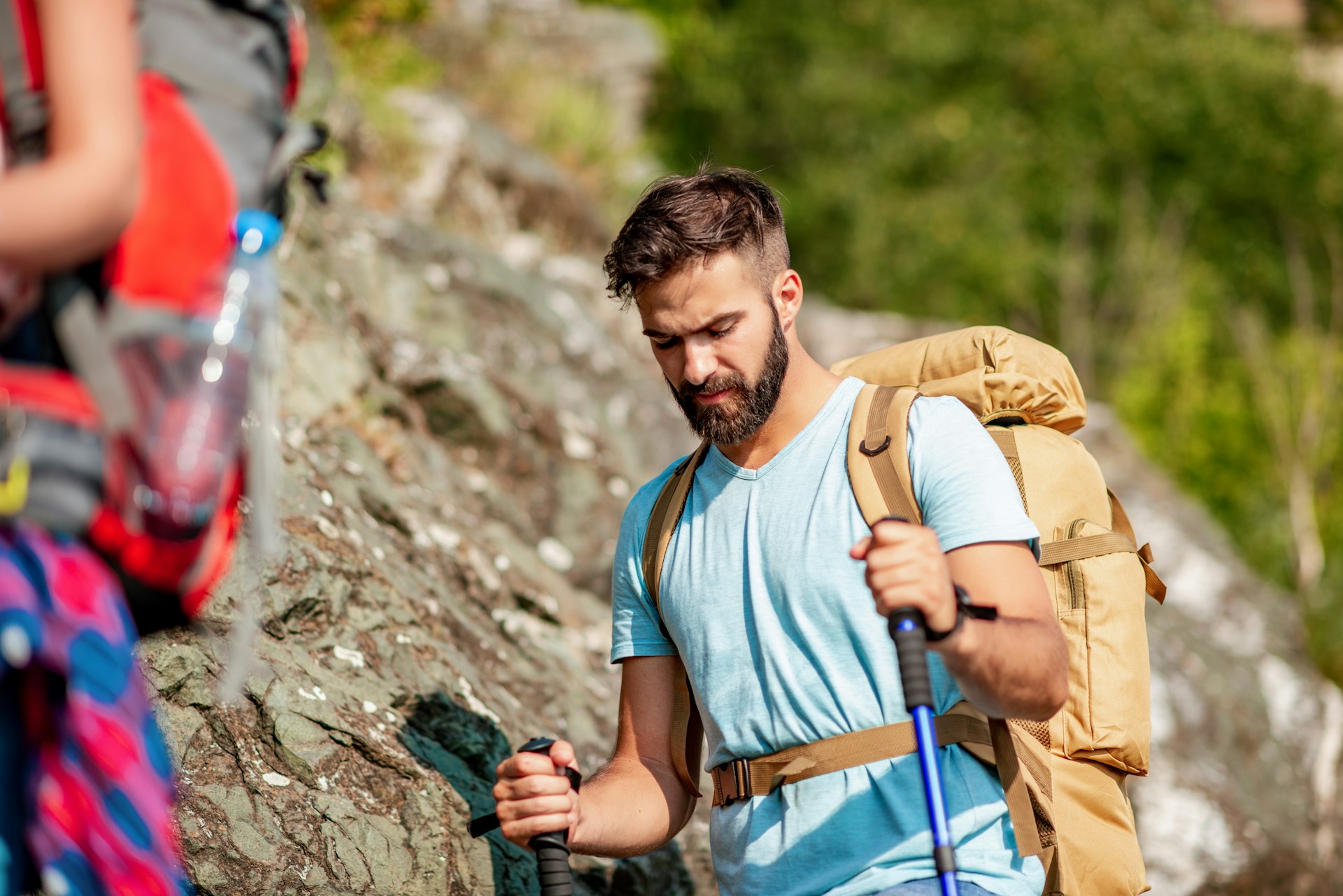
Hiking offers one of the simplest ways to enjoy nature, improve fitness, and clear your mind. Many people think hiking requires advanced skills or expensive gear, yet beginners can start with simple preparation and a positive mindset. When you understand a few core basics, trails become less intimidating and far more enjoyable. With the right preparation, anyone can step outside and experience the beauty of nature using practical Beginner Hiking Tips, such as an easy trail-planning guide that helps new hikers choose the right path and avoid common mistakes.
Starting your hiking journey also builds confidence. As you explore new trails, you develop endurance, awareness, and a deeper connection with the outdoors. Moreover, hiking allows you to move at your own pace while enjoying fresh air and scenic landscapes. Once beginners understand how to prepare, what gear to bring, and how to stay safe, hiking becomes an activity that feels both exciting and relaxing.
Choosing the Right Trail for Your First Hike
Selecting the right trail is one of the most important Beginner Hiking Tips for new hikers. First, choose a trail that matches your fitness level and experience. Short trails with mild elevation changes work best for beginners because they let you focus on enjoying the surroundings rather than struggling through difficult terrain. Additionally, many parks and outdoor websites provide trail descriptions, difficulty ratings, and user reviews that help you make a smart decision before you go.
Equally important, always check the trail conditions before leaving home. Weather, recent rainfall, or seasonal changes can affect trail safety and comfort. Therefore, reviewing park websites or hiking apps can help you avoid muddy paths or unexpected closures. When you prepare ahead of time, you reduce stress and allow yourself to focus on enjoying the journey instead of worrying about surprises along the way.
Essential Gear Every Beginner Should Bring
Many new hikers believe they need expensive equipment to start hiking, yet that idea often discourages people from trying the activity. Fortunately, beginners only need a few essential items to stay comfortable and safe on the trail. Comfortable walking shoes or light hiking boots provide stability, while breathable clothing helps regulate body temperature. In addition, carrying water, snacks, and a simple map ensures you stay energized and oriented during your hike.
Another helpful item for beginners is a small backpack that carries the basics without adding too much weight. A lightweight pack lets you carry water, sunscreen, snacks, and a light jacket in case the weather changes. Because weather and terrain can shift quickly outdoors, having these essentials nearby makes the experience smoother and more enjoyable. As a result, preparation reduces stress and helps beginners feel confident as they explore new trails.
Planning Your Hike Before You Leave Home
Preparation makes hiking far easier for beginners. Before heading out, take time to review the route, estimate how long the hike will take, and check the weather forecast. The daypack hiking checklist helps beginners remember essentials like water, snacks, sunscreen, and a phone with a map. Planning also helps you avoid rushing, so you can enjoy each part of the journey.
Equally helpful, tell a friend or family member where you plan to hike. Although most beginner trails are safe and well-marked, sharing your plan adds an extra layer of security. Additionally, start your hike earlier in the day so you have plenty of daylight to complete the route comfortably. This simple habit reduces pressure and gives beginners the freedom to move at a relaxed pace.
Understanding Pace and Energy on the Trail
One of the most overlooked Beginner Hiking Tips involves pacing. Many beginners start too quickly because they feel excited or eager to reach the destination. However, starting at a comfortable speed helps conserve energy and prevents early fatigue. Therefore, begin your hike slowly and allow your body to adjust to the terrain and elevation.
Maintaining a steady rhythm also makes hiking more enjoyable. Instead of racing toward the finish, pause occasionally to drink water, stretch, or enjoy the scenery. Short breaks allow your muscles to recover and help you stay energized for the entire hike. Over time, hikers naturally develop endurance and confidence as they become more familiar with their body’s rhythm on the trail.
Staying Safe and Aware While Hiking
Safety remains a key part of every successful hiking trip. Although most beginner trails are well marked, paying attention to trail signs and surroundings prevents confusion. For example, stay on marked paths and avoid shortcuts, as off-trail wandering can damage the environment and increase the risk of getting lost. Also, always carry enough water because dehydration can quickly affect energy and focus during outdoor activities.
Wildlife awareness also plays a role in hiking safety. Most animals avoid humans, yet hikers should remain alert and respectful of the environment. Making light noise while walking helps animals recognize your presence and move away naturally. When hikers stay calm and aware, they enjoy the trail while also protecting the natural ecosystem around them.
Building Confidence and Enjoying the Hiking Experience
Hiking becomes easier and more rewarding with practice. Each hike helps beginners develop stronger legs, better balance, and improved stamina. At first, trails may feel unfamiliar, yet experience quickly turns uncertainty into confidence. Therefore, beginners should start with short hikes and gradually explore longer or slightly more challenging trails.
Confidence also grows when hikers listen to their bodies and follow a comfortable rhythm. The safe hiking pace strategy encourages beginners to move steadily, taking short breaks to maintain energy and focus. As hikers continue exploring new paths, they begin to appreciate not only the physical benefits of hiking but also the mental calm that nature provides.
Final Thoughts on Starting Your Hiking Journey
Hiking does not require extreme fitness or advanced outdoor knowledge. Instead, it simply requires preparation, awareness, and a willingness to explore. By following practical Beginner Hiking Tips, beginners can transform their first hike into an enjoyable and rewarding experience. Choosing the right trail, packing simple gear, and planning all contribute to a safe and memorable outdoor adventure.
Over time, hiking becomes more than just a walk through nature. It becomes a habit that improves health, reduces stress, and builds confidence. As you continue exploring new trails, you will discover that the journey itself is just as rewarding as the destination. With preparation, patience, and curiosity, every beginner can turn hiking into a lifelong outdoor passion.