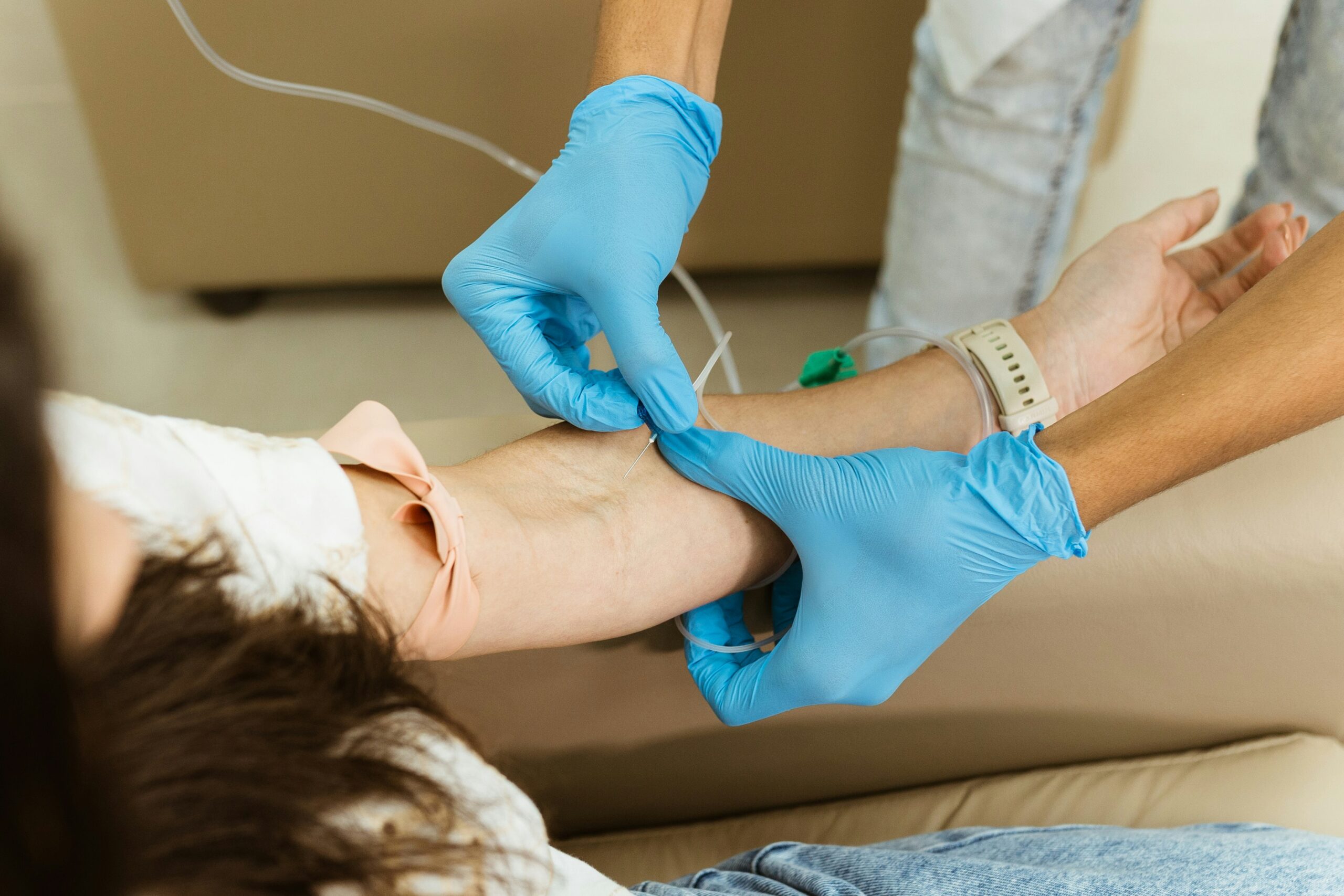
Vascular disorders affect the blood vessels that carry oxygen and nutrients throughout the body, including arteries, veins, and capillaries. These conditions can range from mild issues, such as varicose veins, to life-threatening diseases like peripheral artery disease and aneurysms. Early diagnosis and proper treatment are essential to prevent complications such as stroke, heart attack, or limb damage. Understanding how these disorders are identified and managed helps patients make informed decisions about their health.
Advancements in medical technology and diagnostic tools have significantly improved healthcare professionals’ ability to detect vascular problems early. At the same time, treatment options have expanded, offering both minimally invasive procedures and advanced surgical solutions. This article explores how vascular disorders are diagnosed and treated in modern medicine.
Understanding Vascular Disorders
Vascular disorders are conditions that affect the circulatory system outside the heart. These include arterial, venous, and lymphatic disorders. Common examples are peripheral artery disease, deep vein thrombosis, chronic venous insufficiency, and aortic aneurysms. Each condition has unique causes, symptoms, and risks, but they all interfere with normal blood flow.
Risk factors for vascular disorders include smoking, high blood pressure, diabetes, obesity, and a sedentary lifestyle. Genetics can also play a role in certain conditions. Recognizing early warning signs, such as leg pain, swelling, numbness, or skin changes, can prompt a timely medical evaluation.
Initial Medical Evaluation and Patient History
The diagnostic process often begins with a detailed medical history and physical examination. Physicians ask about symptoms, lifestyle habits, family history, and existing medical conditions. This information helps identify potential risk factors and guides further testing. During the physical exam, doctors may check pulses, inspect the skin, and listen for abnormal blood flow sounds using a stethoscope.
A thorough evaluation is essential because vascular symptoms can sometimes mimic other health issues. For example, leg pain may be mistaken for muscle strain rather than a circulation problem. By carefully assessing the patient’s history and symptoms, healthcare providers can determine whether specialized diagnostic tests are necessary.
Non-Invasive Diagnostic Tests
Non-invasive tests are often the first step in confirming a vascular disorder. One of the most common methods is ultrasound imaging, particularly Doppler ultrasound, which measures blood flow through vessels. This test is painless and provides real-time information about circulation problems, such as blockages or clots.
Other non-invasive techniques include the ankle-brachial index, which compares blood pressure in the ankle and arm to detect peripheral artery disease, and CT or MRI scans that create detailed images of blood vessels. These tools allow doctors to identify abnormalities without the need for surgical procedures, making them safe and widely accessible.
Invasive Diagnostic Procedures
When non-invasive tests do not provide sufficient detail, invasive procedures may be required. Angiography is a commonly used method in which a contrast dye is injected into the bloodstream, and X-ray images are taken to visualize blood vessels. This technique helps pinpoint the exact location and severity of blockages or abnormalities.
Although invasive tests carry some risks, they are highly accurate and often necessary for planning treatment. Advances in technology have made these procedures safer and more efficient, with shorter recovery times for patients. In many cases, diagnostic angiography can also be combined with immediate treatment.
Lifestyle Changes and Medical Management
For many vascular disorders, treatment begins with lifestyle modifications and medication. Patients are often advised to quit smoking, adopt a healthy diet, increase physical activity, and manage chronic conditions like diabetes and hypertension. These changes can significantly improve vascular health and slow disease progression.
Medications may include blood thinners to prevent clots, cholesterol-lowering drugs, and medications that improve blood flow. Regular monitoring is important to ensure that the treatment plan is effective. In mild to moderate cases, these non-surgical approaches can successfully manage symptoms and reduce complications.
Minimally Invasive Treatments
Minimally invasive procedures have become a cornerstone of modern vascular care. Techniques such as angioplasty and stent placement involve inserting a small catheter into the blood vessel to open blockages and restore blood flow. These procedures are typically performed under local anesthesia and require minimal recovery time.
Endovenous treatments for varicose veins, such as laser therapy or radiofrequency ablation, are also widely used. These methods target damaged veins without the need for large incisions. Patients often experience less pain and faster recovery compared to traditional surgery, making minimally invasive options highly appealing.
Surgical Interventions
In more severe cases, surgical intervention may be necessary. Procedures such as bypass surgery create an alternative pathway for blood flow around a blocked artery. Aneurysm repair involves reinforcing or replacing weakened sections of blood vessels to prevent rupture. These surgeries are more complex but can be life-saving.
Advancements in surgical techniques and postoperative care have improved outcomes for patients undergoing vascular surgery. While recovery times are longer than minimally invasive treatments, these procedures are often the best option for advanced or complicated conditions. Careful evaluation ensures that surgery is only recommended when truly needed.
Ongoing Monitoring and Prevention
After treatment, ongoing monitoring is essential to prevent recurrence and manage long-term health. Regular follow-up appointments allow doctors to track progress and adjust treatment plans as needed. Imaging tests and blood work may be used to assess vascular function over time.
Preventive care plays a crucial role in maintaining vascular health. Patients are encouraged to continue healthy lifestyle habits and adhere to prescribed medications. Education and awareness help individuals recognize early signs of complications, ensuring prompt medical attention when necessary.
Vascular disorders are complex conditions that require a comprehensive approach to diagnosis and treatment. From initial evaluation to advanced surgical procedures, modern medicine offers a wide range of tools to effectively manage these diseases. Early detection remains one of the most important factors in achieving positive outcomes.
By combining medical expertise, advanced technology, and patient commitment to healthy living, it is possible to reduce the impact of vascular disorders. Understanding the diagnostic process and available treatments empowers individuals to take control of their vascular health and seek timely care when needed.