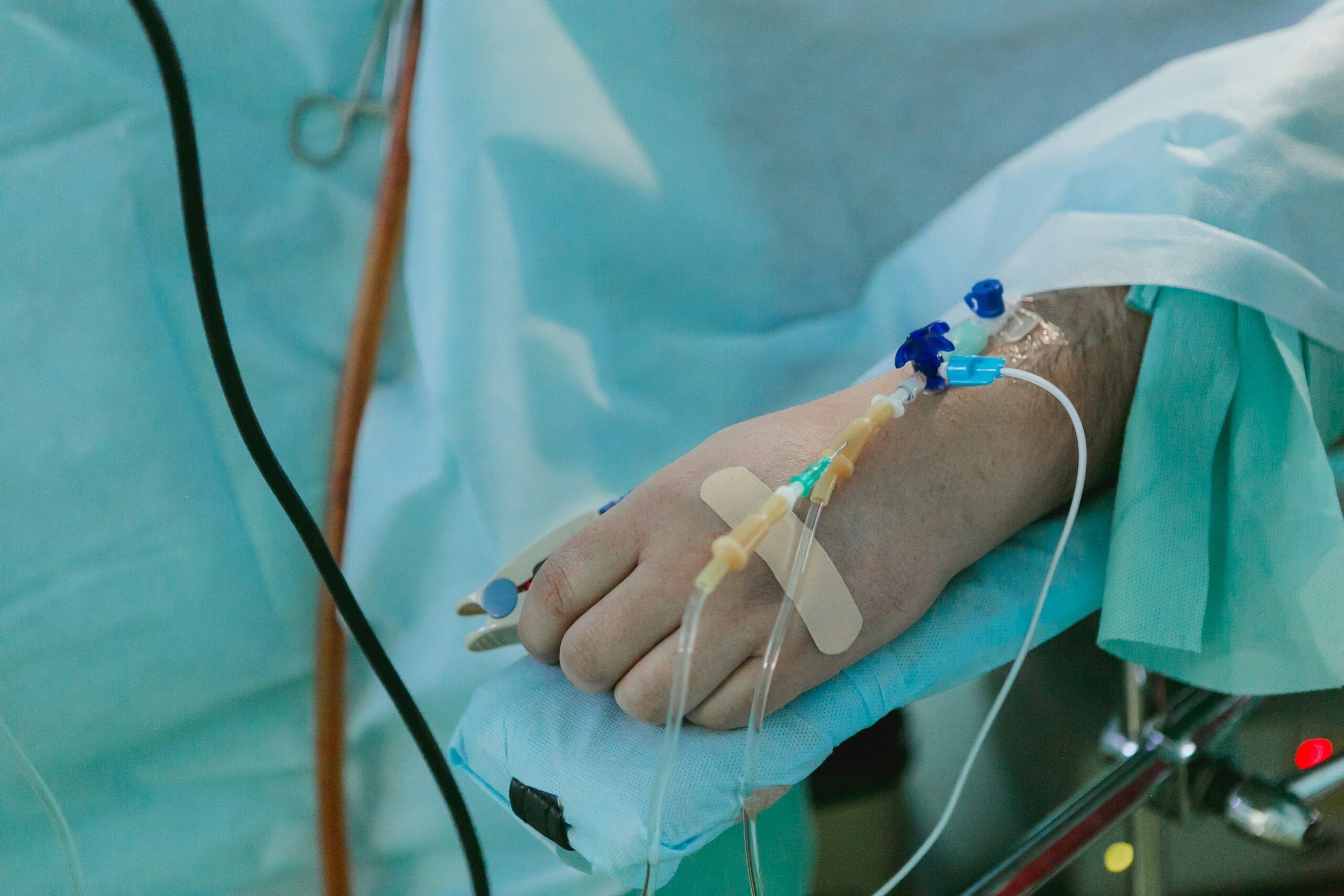
Reliable vascular access remains essential for patients undergoing long-term hemodialysis. It allows consistent blood flow during treatment, ensuring toxins are removed efficiently. However, even well-established access sites can develop complications over time, affecting both patient comfort and treatment success. These complications may arise gradually or suddenly, depending on underlying health conditions and the type of access.
Among the various complications, steal syndrome is particularly concerning due to its potential to compromise limb health. While many access-related issues are manageable, delayed recognition of steal syndrome can lead to severe consequences. Therefore, understanding the full range of complications helps improve early detection and long-term outcomes.
Types of Hemodialysis Access and Their Risks
Hemodialysis requires dependable vascular access, typically achieved through arteriovenous fistulas, arteriovenous grafts, or central venous catheters. Each option serves a specific purpose and comes with distinct advantages. For example, fistulas are widely considered the gold standard because they offer better durability and lower infection rates over time.
However, even fistulas are not without risks. They may fail to mature properly, especially in patients with poor vascular health. Meanwhile, grafts provide quicker access but are more prone to complications, such as clotting or infection. Central venous catheters, although useful in urgent situations, carry the highest risk of bloodstream infections.
Additionally, patient-related factors play a significant role in determining complication rates. Conditions such as diabetes, hypertension, and peripheral vascular disease can increase vulnerability to access failure. As a result, healthcare providers must carefully evaluate each patient before selecting the most suitable access type.
Common Complications of Hemodialysis Access
Thrombosis is one of the most common complications affecting hemodialysis access. It occurs when a blood clot blocks the vessel, preventing adequate blood flow. This can lead to incomplete dialysis sessions and may require urgent intervention to restore function. Often, thrombosis develops due to underlying stenosis, which narrows the vessel over time.
In addition to clotting, infections remain a major concern, particularly with the use of catheters. These infections can spread rapidly into the bloodstream, causing systemic illness. Early signs such as redness, swelling, or fever should not be ignored, as prompt treatment is essential to prevent serious outcomes.
Another issue involves the formation of aneurysms at the access site. Repeated needle punctures can weaken vessel walls, causing them to bulge. Over time, these aneurysms may rupture or become infected, posing significant risks. Therefore, consistent monitoring of the access site is crucial for early detection.
Understanding Steal Syndrome
Steal syndrome occurs when the vascular access diverts too much blood away from the distal portion of the limb. This phenomenon reduces circulation beyond the access point, depriving tissues of oxygen and nutrients. Although the access itself functions properly, the surrounding tissues may suffer from reduced perfusion.
This condition is more commonly associated with high-flow arteriovenous fistulas or grafts. In such cases, blood preferentially flows through the access rather than continuing into smaller arteries. Consequently, patients may experience symptoms that reflect inadequate blood supply to the hand or lower limb.
Certain individuals face a higher risk of developing steal syndrome. For instance, patients with diabetes or pre-existing arterial disease often have compromised circulation. Additionally, older adults and those with a history of vascular surgery may be more susceptible. Recognizing these risk factors allows for better preventive planning.
Symptoms and Clinical Presentation
The symptoms of steal syndrome can vary widely depending on severity. Initially, patients may notice mild discomfort, including coldness or tingling in the affected limb. These early signs often appear during or shortly after dialysis sessions when blood flow demands increase.
As the condition progresses, symptoms may become more pronounced. Patients might experience persistent pain, muscle weakness, or difficulty using the limb. In severe cases, the lack of blood flow can lead to tissue damage, resulting in ulcers or even gangrene.
Physical examination often reveals important clues. Reduced pulses, pale or bluish skin, and delayed capillary refill indicate compromised circulation. Therefore, both subjective symptoms and objective findings play a key role in diagnosis. Prompt recognition helps prevent irreversible damage.
Diagnosis and Evaluation
Diagnosing steal syndrome requires a combination of clinical judgment and diagnostic testing. Physicians typically begin with a detailed history and physical examination. They assess symptoms, evaluate the affected limb’s function, and examine it for signs of poor perfusion.
Noninvasive imaging techniques are commonly used to confirm the diagnosis. Doppler ultrasound provides valuable information about blood flow patterns and can identify areas of reduced circulation. This test is widely available and offers a quick, reliable assessment.
In more complex cases, advanced imaging such as angiography may be necessary. This technique allows visualization of the vascular system in greater detail, helping to pinpoint the exact cause of the problem. As a result, clinicians can develop a targeted treatment plan based on accurate findings.
Management and Treatment Approaches
Treatment of steal syndrome depends on the severity of symptoms and the underlying cause. In mild cases, conservative measures may be sufficient. These include monitoring the condition and adjusting dialysis settings to reduce excessive blood flow through the access.
However, more severe cases often require surgical intervention. Procedures such as banding can reduce blood flow through the access site, thereby improving circulation to the distal limb. Another option involves revision using distal inflow, which redirects blood flow to better balance circulation.
In extreme situations, ligation of the access may be necessary. While this resolves the reduced perfusion issue, it also eliminates the existing access point. Therefore, clinicians must carefully weigh the benefits and risks before proceeding. Ultimately, preserving both limb function and dialysis access remains the primary goal.
Prevention and Long-Term Care
Preventing complications begins with proper planning and patient evaluation. Before creating vascular access, clinicians should assess the patient’s vascular health to determine the best location and type of access. This step reduces the likelihood of future complications, including steal syndrome.
Equally important is patient education. Individuals undergoing hemodialysis should understand how to their access site and recognize early warning signs. Reporting symptoms promptly allows for timely intervention and better outcomes.
Long-term care involves regular follow-up and monitoring. Routine examinations help detect subtle changes in access function before they become serious problems. Additionally, imaging studies may be used periodically to assess blood flow and vessel integrity.
By adopting a proactive approach, healthcare providers can significantly reduce complication rates. This not only improves the longevity of vascular access but also enhances the overall quality of life for patients receiving hemodialysis.