Vascular disease affects millions of people and often limits daily activities through pain, poor circulation, and slow healing. As medical technology continues to advance, patients now have access to innovative treatments that support recovery without surgery. One option that continues to gain attention is Shockwave Therapy for Vascular Disease. This modern treatment encourages the body to improve blood flow naturally while helping damaged tissues recover.
Unlike invasive procedures, shockwave therapy offers a comfortable approach that fits into many treatment plans. Doctors often recommend it for selected patients who need better circulation or want to reduce symptoms related to vascular conditions. As research grows, more healthcare providers recognize its value as part of a comprehensive care strategy.
How Shockwave Therapy Supports Vascular Health
Shockwave Therapy for Vascular Disease uses controlled acoustic waves that travel through targeted tissues. These waves stimulate natural healing responses inside the body. Instead of masking symptoms, the therapy encourages the growth of new blood vessels while improving circulation in areas with reduced blood flow.
Better circulation allows oxygen and nutrients to reach tissues more effectively. As a result, damaged areas receive the support they need to heal. Furthermore, improved blood flow helps reduce inflammation and supports healthier tissue function over time.
Many patients appreciate that the treatment does not require surgical incisions or lengthy recovery periods. Sessions usually take a short amount of time, allowing patients to return to their normal routines soon afterward. Because of these benefits, healthcare providers continue to explore the therapy for various vascular conditions.
Who May Benefit From This Treatment
Shockwave Therapy for Vascular Disease may help people who experience circulation problems caused by peripheral artery disease or other vascular disorders. Individuals often seek treatment because they struggle with leg discomfort, slow wound healing, or reduced mobility.
Patients who cannot undergo surgery or prefer less invasive treatment options may also benefit. Additionally, healthcare providers sometimes include shockwave therapy alongside medications, lifestyle improvements, and supervised exercise programs.
Every patient has unique health needs. Therefore, physicians perform detailed evaluations before recommending this therapy. They consider medical history, symptom severity, diagnostic imaging, and overall health to determine whether the treatment fits the patient’s condition.
Although the therapy shows encouraging results, it does not replace traditional vascular care. Instead, it strengthens a complete treatment plan designed to improve long-term outcomes.
What Patients Can Expect During Treatment
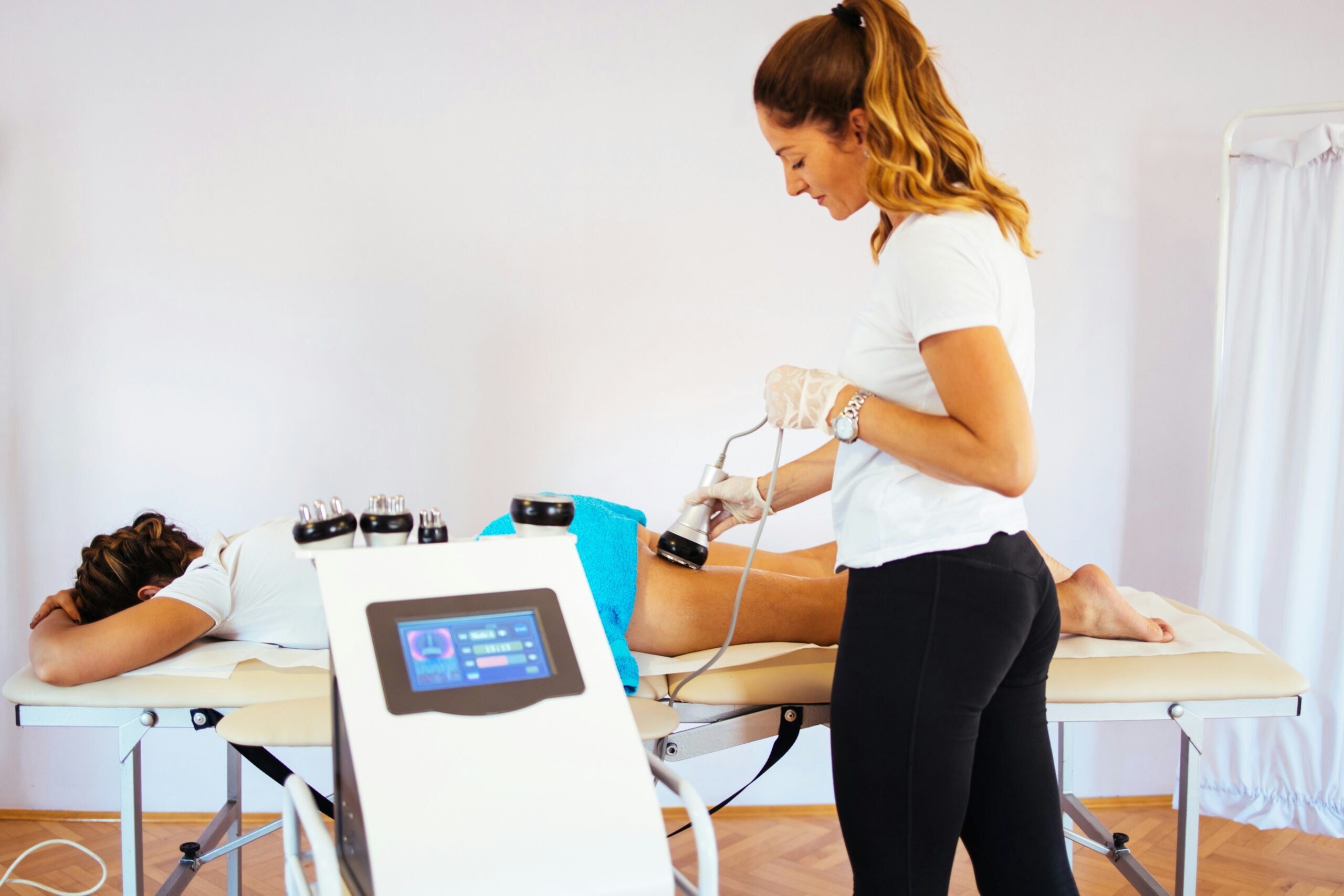
Understanding the treatment process helps reduce anxiety before the first appointment. During Shockwave Therapy for Vascular Disease, a healthcare professional places a handheld device against the skin over the treatment area. The device delivers carefully controlled acoustic waves into the affected tissues.
Most patients describe the sensation as mild tapping or gentle pressure. Since the procedure requires no anesthesia in many cases, patients remain comfortable throughout the session. After treatment, they usually leave the clinic immediately and continue with daily activities.
The total number of sessions depends on the individual’s condition and treatment goals. Some patients notice gradual improvements after several visits, while others experience continued progress over the following weeks as new blood vessels develop and circulation improves.
Doctors often monitor progress throughout therapy. Regular follow-up appointments allow providers to evaluate symptom improvement and adjust the overall treatment plan when necessary.
Benefits Beyond Improved Blood Flow
One of the greatest advantages of Shockwave Therapy for Vascular Disease involves its ability to support the body’s natural healing processes. Better circulation offers benefits that extend beyond healthier blood vessels.
Patients frequently report improved walking ability because muscles receive more oxygen during physical activity. Reduced discomfort allows many individuals to stay active, which further supports cardiovascular health.
Better circulation may also help wounds heal more efficiently. Healthy blood flow delivers essential nutrients that support tissue repair while reducing the risk of complications associated with poor circulation.
Furthermore, many patients appreciate the convenience of noninvasive care. Since no surgical incisions or lengthy hospital stays exist, recovery remains relatively simple. This approach often reduces stress while allowing patients to maintain their regular schedules.
Healthcare providers also value the therapy because they can combine it with other evidence-based treatments. Exercise therapy, healthy nutrition, smoking cessation, blood pressure control, and cholesterol management all contribute to stronger vascular health when paired with appropriate medical care.
Building Long-Term Success With Healthy Habits
Shockwave Therapy for Vascular Disease works best when patients actively support their vascular health every day. Healthy lifestyle choices strengthen treatment results while lowering the risk of disease progression.
Regular physical activity encourages better circulation throughout the body. Even simple walking programs improve blood flow and increase endurance over time. Likewise, balanced nutrition supports healthy blood vessels by providing essential vitamins, minerals, and antioxidants.
Smoking remains one of the greatest threats to vascular health. Therefore, quitting tobacco significantly improves circulation and allows treatment benefits to last longer. Maintaining healthy blood pressure, cholesterol, and blood sugar levels also reduces additional stress on blood vessels.
Routine medical checkups remain equally important. Healthcare providers can monitor vascular health, identify new concerns early, and recommend adjustments before symptoms become severe.
Patients should also communicate openly with their medical team about changes in symptoms. Prompt attention to new pain, swelling, or wounds allows faster intervention and better long-term outcomes.
The Future of Vascular Disease Treatment
Medical research continues to explore new ways to improve vascular care, and Shockwave Therapy for Vascular Disease remains one of the most promising developments. Scientists continue studying how acoustic wave technology supports tissue regeneration, stimulates blood vessel growth, and improves circulation across different vascular conditions.
As clinical evidence expands, more healthcare providers may include this therapy within personalized treatment plans. Continued research also helps physicians identify which patients benefit the most while refining treatment protocols for even better outcomes.
Technology will likely improve further, making treatments more precise and efficient. At the same time, healthcare professionals continue emphasizing comprehensive care that combines innovative therapies with healthy lifestyle habits and appropriate medical management.
Patients who learn about available treatment options can make informed decisions alongside their healthcare providers. When combined with expert medical guidance, Shockwave Therapy for Vascular Disease offers hope for improved circulation, greater mobility, reduced discomfort, and better overall quality of life. Through continued innovation and patient-centered care, this therapy continues to shape the future of vascular disease management while helping people enjoy healthier, more active lives.