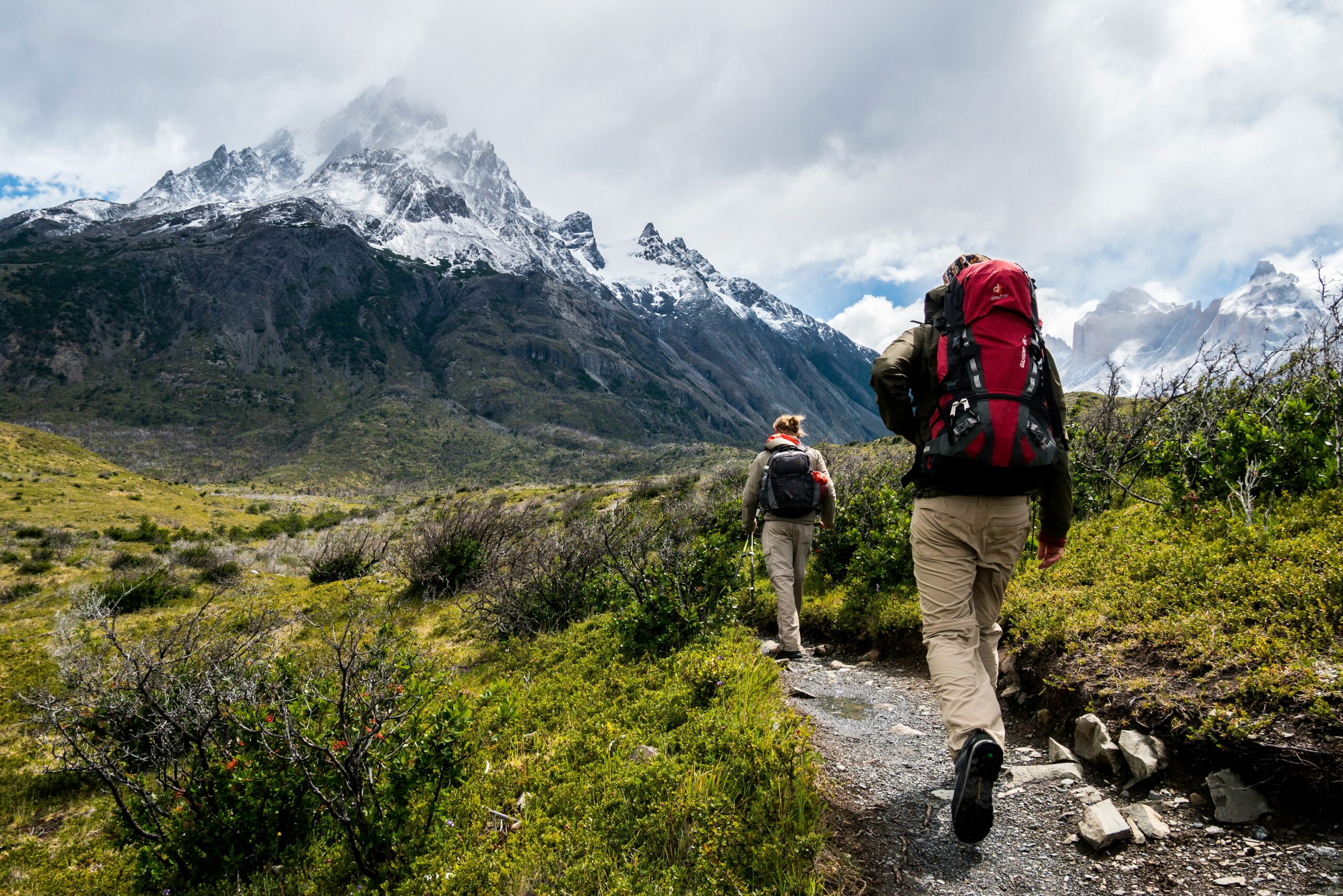
Hiking is one of the most rewarding outdoor activities because it combines exercise, exploration, and a connection with nature. Whether someone wants to escape a busy routine, improve fitness, or enjoy peaceful landscapes, hiking offers an accessible way to experience the outdoors. Moreover, beginners do not need expensive equipment or advanced skills to start. With proper preparation, a positive mindset, and basic knowledge, anyone can enjoy a safe and memorable hiking experience.
For many new hikers, the idea of walking through unfamiliar trails may seem challenging at first. However, hiking becomes easier when approached step by step. Choosing beginner-friendly trails, understanding personal limits, and learning essential outdoor habits can build confidence over time. Additionally, hiking provides physical benefits such as improved endurance, stronger muscles, and better cardiovascular health. As a result, many people discover that regular hiking becomes both a healthy activity and a relaxing lifestyle choice.
Choosing the Right Trail for Beginners
Selecting the right trail is one of the most important steps for a successful hiking experience. Beginners should start with shorter routes that match their fitness level and experience. Therefore, it is helpful to research trail distance, elevation changes, terrain conditions, and estimated completion time before heading out. Many hiking areas provide difficulty ratings, which allow newcomers to choose paths that are comfortable and manageable.
Furthermore, beginners should consider weather conditions and seasonal changes when planning a hike. A trail that feels easy during mild weather may become more difficult during extreme heat, rain, or cold temperatures. Additionally, checking recent trail updates can help hikers avoid unexpected challenges such as closures, damaged paths, or unsafe conditions. By preparing carefully, new hikers can enjoy their adventure while reducing unnecessary risks.
Essential Gear Every Beginner Hiker Needs
Having the right equipment can make hiking safer and more enjoyable. First, comfortable footwear is one of the most important investments for any beginner. Hiking shoes or boots with proper support and traction can help prevent discomfort and reduce the risk of slips on uneven surfaces. Additionally, wearing moisture-wicking clothing and carrying extra layers allows hikers to adapt to changing temperatures.
Moreover, every beginner should carry a small backpack with essential supplies. Water, snacks, a first-aid kit, navigation tools, sunscreen, and a flashlight are valuable items for most hiking trips. Although a short trail may seem simple, unexpected situations can occur. Therefore, being prepared ensures that hikers can handle minor problems without turning an enjoyable outing into a stressful experience.
Planning Before You Hit the Trail
Good preparation begins before leaving home. Beginners should always inform someone about their hiking plans, including the chosen trail and expected return time. This step is especially important when exploring less crowded areas. Furthermore, checking the weather forecast before departure helps hikers make better decisions and avoid dangerous conditions.
Additionally, creating a realistic hiking plan allows beginners to enjoy the journey instead of rushing. It is important to consider breaks, water needs, and the time required to complete the trail. Many new hikers make the mistake of focusing only on reaching the destination, but the hiking experience itself is equally valuable. By maintaining a steady pace and taking time to appreciate the surroundings, beginners can make each adventure more enjoyable.
Understanding Trail Safety and Etiquette
Safety should always be a priority when exploring outdoor environments. Beginners should stay on marked trails whenever possible because wandering into unknown areas increases the risk of getting lost or damaging natural habitats. Moreover, carrying a map or using a reliable navigation app can provide additional support during the hike.
Trail etiquette is also essential for protecting nature and respecting other hikers. For example, hikers should avoid leaving trash behind, disturbing wildlife, or damaging plants. Additionally, allowing faster hikers to pass and keeping noise levels reasonable creates a better experience for everyone. By following these simple practices, beginners help maintain clean and enjoyable trails for future visitors.
Building Confidence and Improving Hiking Skills
As beginners gain experience, they can gradually take on more challenging trails. However, progress should happen naturally rather than through pressure. Increasing distance, exploring different terrains, and improving physical endurance over time can help hikers develop stronger skills. Furthermore, learning basic outdoor techniques, such as reading trail markers and managing energy levels, can increase confidence.
In addition, joining hiking groups or exploring trails with experienced friends can provide valuable learning opportunities. New hikers can gain practical knowledge about pacing, equipment choices, and outdoor safety. Eventually, these experiences help individuals become more independent and comfortable in different environments. With patience and consistent practice, hiking can transform from a beginner activity into a lifelong passion.
Making Hiking a Regular Lifestyle Activity
Hiking offers benefits that extend beyond a single outdoor adventure. Regular hiking can improve physical health, support mental well-being, and create opportunities to explore new places. Moreover, spending time in natural environments can help reduce stress and encourage mindfulness. Many people find that hiking provides a refreshing break from technology and daily responsibilities.
Additionally, making hiking a regular habit does not require major lifestyle changes. Beginners can start with local parks, nature trails, or weekend walks before moving toward longer adventures. Over time, these small steps can create lasting habits and stronger appreciation for the outdoors. Therefore, hiking is not only about reaching the end of a trail; it is about enjoying the journey, discovering new surroundings, and creating meaningful experiences.