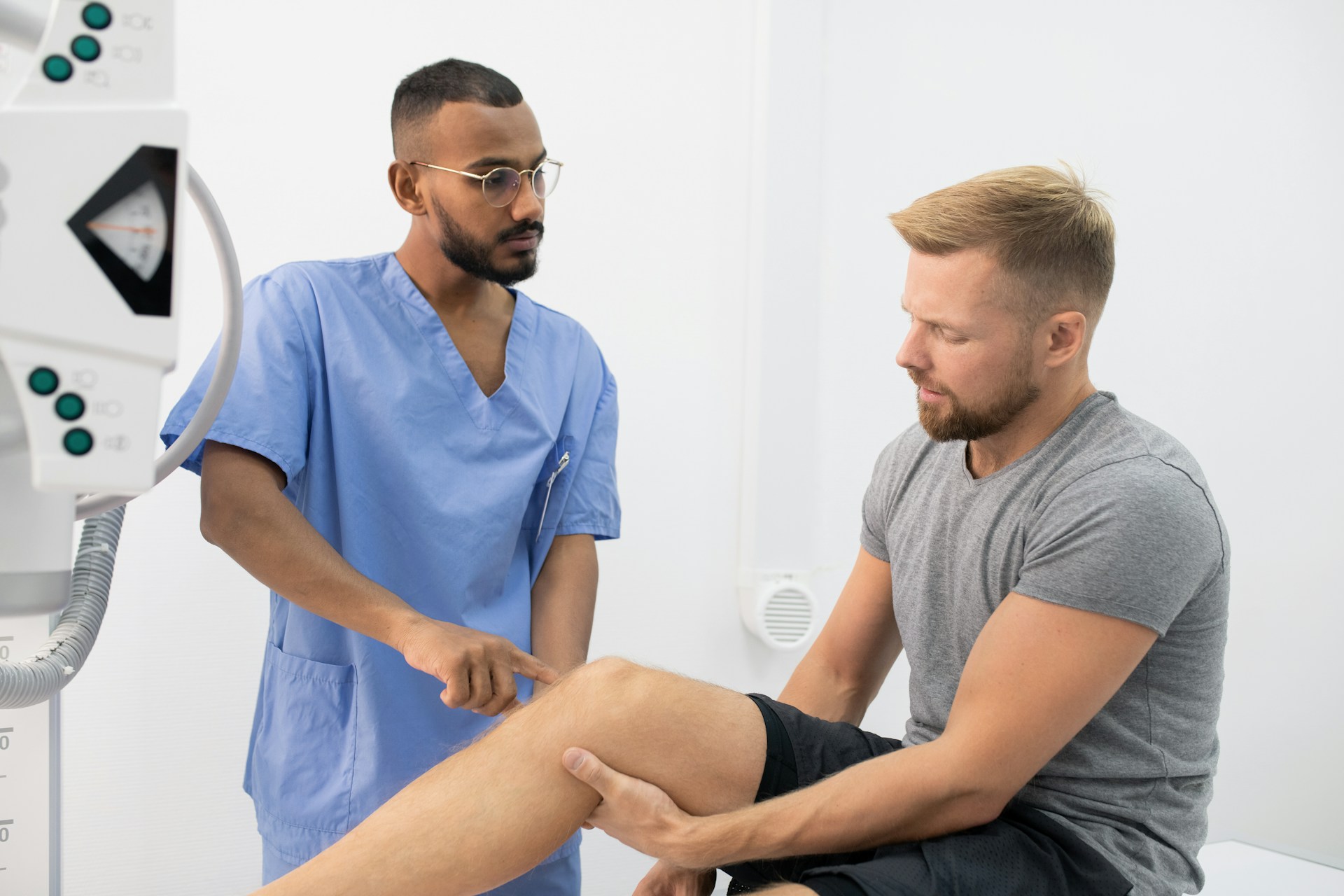
Peripheral arterial disease can reduce blood flow to the legs and make everyday movement more difficult. People may experience leg pain while walking, weakness, or reduced physical ability. As researchers look for additional ways to improve symptoms, noninvasive vascular therapy has gained attention. One approach under study is extracorporeal shockwave therapy, which delivers controlled acoustic waves to targeted tissue without surgery. Early research suggests it may improve walking ability in some people with peripheral arterial disease, although it is still an emerging treatment rather than a standard replacement for established PAD care.
Interest in this therapy has grown because PAD affects both daily function and long-term cardiovascular health. Current guidelines emphasize proven treatments such as exercise therapy, smoking cessation, cholesterol management, blood pressure control, appropriate antiplatelet or antithrombotic therapy, and revascularization when needed. Therefore, shockwave treatment should be viewed within a broader care plan rather than as a stand-alone solution.
Understanding Reduced Lower-Limb Circulation
Peripheral arterial disease, often called PAD, commonly develops when narrowed arteries limit blood flow to the limbs. Atherosclerosis is a major cause. As plaque builds inside arteries, muscles may receive less oxygen during activity. Consequently, some people develop intermittent claudication, which causes pain or discomfort during walking that improves with rest.
The condition can range from mild symptoms to serious circulation problems. In more advanced cases, poor blood supply can contribute to wounds, tissue damage, and limb-threatening complications. PAD is also linked with a higher risk of heart attack, stroke, amputation, and death. Therefore, early diagnosis and proper medical management are important.
Exploring Acoustic Wave Treatment
Extracorporeal shockwave therapy uses acoustic energy that passes through the skin toward selected tissues. The treatment does not require an incision. Instead, a device sends controlled waves into the targeted area. Researchers have studied whether this stimulation can influence circulation and tissue recovery in people with PAD.
The exact biological effects remain under investigation. Earlier research suggests that shockwaves may affect processes related to new blood vessel development, endothelial function, and local circulation. However, much of the research explaining these mechanisms came from laboratory and animal studies. Therefore, scientists still need stronger human evidence to confirm exactly how the therapy works in PAD.
Walking Ability Shows Promising Results
One of the most interesting findings involves walking performance. People with intermittent claudication often need to stop because leg pain develops during activity. As a result, improving pain-free walking distance can have a meaningful effect on independence and quality of life.
A 2025 systematic review and meta-analysis evaluated eight studies involving 332 patients. It found that extracorporeal shockwave therapy was associated with improvements in both pain-free walking distance and maximum walking distance compared with placebo. However, the researchers also noted that the evidence came from a relatively small number of studies and participants. Therefore, the results are encouraging but should be interpreted carefully.
Circulatory Effects Remain Under Study
Researchers are also examining whether acoustic waves can improve blood supply at the tissue level. Proposed mechanisms include changes in signaling that may encourage vascular growth and support local blood flow. In theory, these responses could help muscles receive more oxygen when a person walks.
However, measurable improvements in major vascular tests have been less consistent. For example, recent research found improvements in walking outcomes without a significant improvement in the ankle-brachial index, a common test used when evaluating PAD. Therefore, better walking ability does not necessarily mean that a large change in arterial pressure measurements has occurred.
Functional Gains May Improve Daily Life
The ability to walk farther can affect much more than exercise. People who experience claudication may avoid shopping, social activities, travel, or routine walks because discomfort begins quickly. Therefore, even moderate improvements in movement may support greater independence.
Research has also examined quality-of-life measures. The 2025 meta-analysis reported improvements in several patient-reported areas, including physical function and general health. These findings make shockwave therapy for circulation an interesting area of research, especially for patients whose symptoms limit everyday activity. Still, more large clinical trials are needed before researchers can define which patients are most likely to benefit.
Standard Care Still Plays the Central Role
New treatments can attract attention, but proven PAD management remains essential. Current clinical guidance supports cardiovascular risk reduction through appropriate medications, cholesterol control, blood pressure treatment, diabetes care, smoking cessation, and structured exercise. These measures help address both limb symptoms and the broader cardiovascular risks linked with PAD.
Some patients may also need procedures that restore blood flow. Doctors can consider endovascular or surgical revascularization when symptoms remain severe or when blood supply threatens the health of the limb. Therefore, a vascular specialist should evaluate the full clinical picture before any newer treatment becomes part of a care plan.
Patient Selection Requires Careful Evaluation
Not every person with PAD has the same disease pattern. Some patients have mild walking symptoms, while others have severe arterial blockage or chronic limb-threatening ischemia. Health conditions such as diabetes, kidney disease, smoking history, and heart disease can also influence treatment decisions.
For that reason, doctors must consider symptoms, circulation tests, medication use, imaging findings, and overall cardiovascular risk. Shockwave therapy may eventually have a clearer role for certain groups, but researchers have not yet established a universal protocol for all patients with peripheral arterial disease. Current evidence remains too limited to treat it as a routine first-line option.
Future Research Could Clarify Clinical Value
Interest in peripheral artery disease treatment advances continues because researchers want safer ways to improve mobility and circulation while reducing the burden of symptoms. Extracorporeal shockwave therapy offers an appealing concept because it is noninvasive and early studies have reported gains in walking performance. However, researchers still need larger multicenter trials, longer follow-up periods, and clearer treatment protocols.
For now, shockwave therapy represents a developing area of vascular research rather than a replacement for established care. Its potential benefits appear most promising in functional outcomes such as walking distance and quality of life, while effects on standard circulation measurements remain less certain. Patients interested in this approach should discuss it with a qualified vascular specialist who can explain current evidence, available treatments, and individual risks.