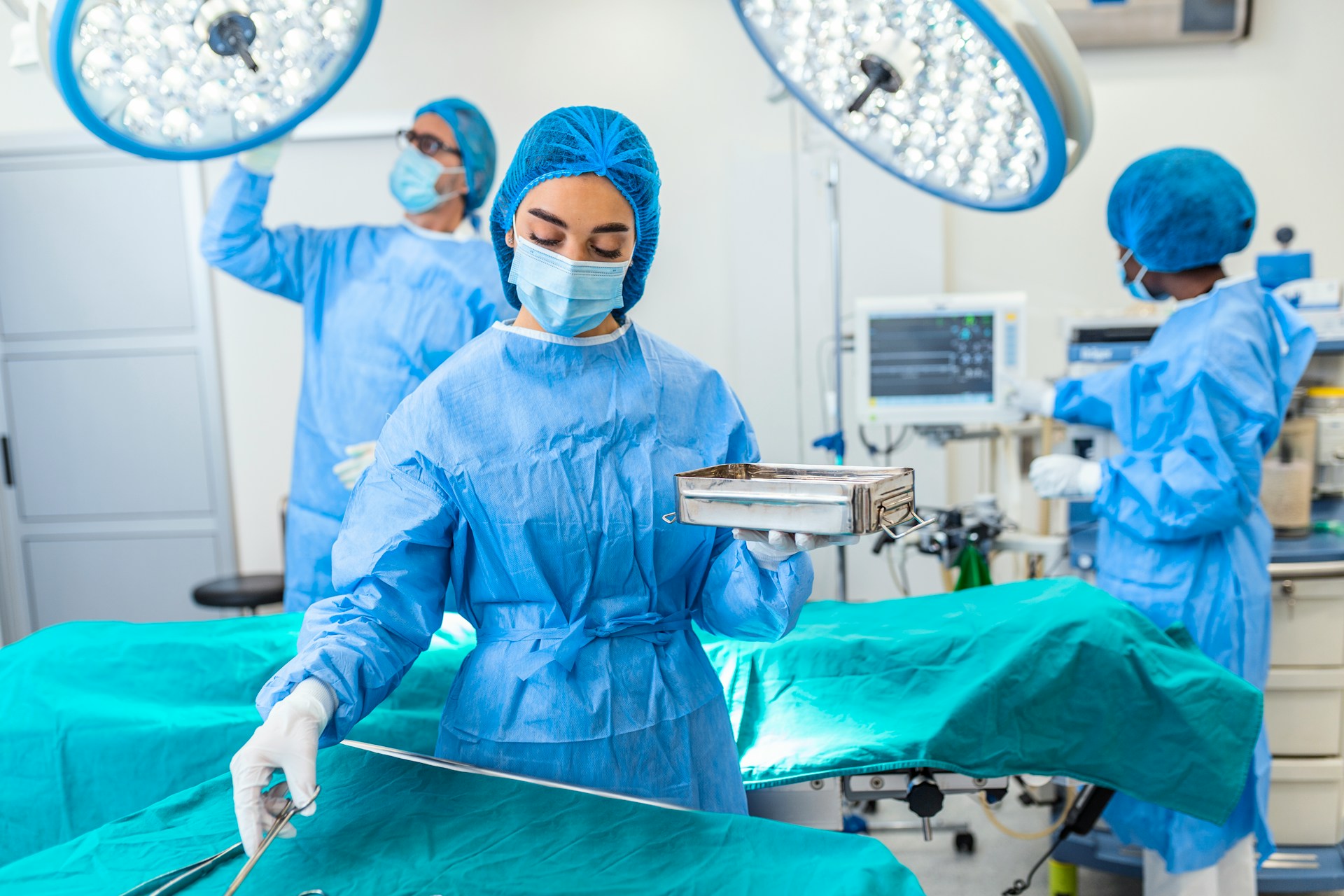
Behind every successful surgical procedure stands a team of professionals who prepare, coordinate, monitor, and support each stage of patient care. At MLK-Drew Medical Center, surgical nurses have been highlighted for their dedication, clinical skill, leadership, and commitment to patients. Recognition of surgical nursing excellence draws attention to work that patients may not always see, from careful preparation before surgery to steady support during recovery. Awards can also remind the wider healthcare community that strong nursing teams play an essential role in safe, compassionate, and effective surgical care.
Recognition carries meaning because surgical nursing requires both technical knowledge and human understanding. Nurses work closely with surgeons, anesthesia professionals, technicians, patients, and families. At the same time, they must stay focused in situations that can change quickly. Therefore, honoring their achievements can celebrate not only individual effort but also the teamwork that allows an entire surgical department to perform at a high level.
Dedication Shines Behind Every Procedure
Surgical nurses handle responsibilities long before a procedure begins. They help prepare the operating environment, review important information, organize equipment, and support safety checks. As a result, careful nursing work helps create an organized setting where the surgical team can focus on the patient.
During a procedure, nurses must stay attentive and ready to respond. They communicate with other professionals, anticipate needs, and help maintain proper standards. Although patients may never see every task being completed, these details matter greatly.
Recognition helps bring this behind-the-scenes work into view. It shows that consistent preparation deserves attention. More importantly, it honors professionals whose daily discipline contributes to the larger goal of dependable surgical care.
Compassion Strengthens Patient Experiences
Surgery can create fear and uncertainty for patients and their families. A skilled nurse understands that emotional support matters alongside clinical care. Sometimes a calm explanation or reassuring conversation can make an unfamiliar situation feel more manageable.
Surgical nurses may help patients understand what to expect before a procedure. Later, they can support recovery by answering questions and watching for changes that need attention. Consequently, compassionate communication can help strengthen trust between patients and healthcare professionals.
Recognition for nursing care can highlight this important human connection. Clinical ability remains essential, but patients often remember how healthcare workers treated them during vulnerable moments. Therefore, meaningful recognition can celebrate both professional skill and the kindness that shapes the patient experience.
Safety Depends on Careful Attention
Patient safety requires constant focus. Surgical nurses help support procedures through accurate communication, organized preparation, careful monitoring, and established safety practices. Even routine tasks demand attention because small details can have serious importance in a surgical environment.
Team members also depend on one another. Clear communication helps everyone confirm important information and respond to unexpected situations. For this reason, strong nursing performance often reflects the combined effort of people who understand their responsibilities and trust their colleagues.
Awards related to nursing achievement can reinforce the value of these habits. Recognition encourages healthcare teams to keep safety at the center of their work. In addition, it can create pride around practices that protect patients every day.
Teamwork Creates Consistent Results
No surgical nurse works alone. Modern surgery depends on cooperation between different healthcare professionals. Each person brings specific knowledge, yet everyone must communicate effectively for the team to function smoothly.
This makes operating room teamwork an important part of high-quality surgical nursing. Nurses often coordinate information, prepare needed materials, and help maintain an efficient flow throughout a procedure. Meanwhile, they must remain flexible enough to respond when circumstances change.
Recognition can celebrate this shared effort instead of focusing only on one moment of success. When a surgical nursing team earns praise, that acknowledgment can reflect many hours of preparation, communication, and cooperation. Therefore, awards can strengthen the idea that excellent healthcare grows from people working toward the same purpose.
Leadership Inspires Professional Growth
Leadership in nursing does not always depend on a formal title. Experienced professionals may guide newer staff members, share practical knowledge, model strong habits, and help colleagues handle demanding situations.
Mentorship can be especially valuable in surgical settings. New nurses must learn technical processes while also developing communication, judgment, and confidence. Support from experienced colleagues can make that growth more structured and effective.
Recognition of leadership sends a positive message throughout a department. It shows that helping others succeed has value. Furthermore, strong role models can inspire younger professionals to continue learning and eventually support the next generation of nurses.
Education Keeps Skills Moving Forward
Healthcare changes constantly. New technology, updated procedures, research, and safety guidance can all influence how surgical teams operate. Therefore, nurses need ongoing education to keep their knowledge current.
Professional development may include additional training, specialty education, simulations, or new clinical responsibilities. These opportunities allow nurses to expand their abilities while preparing for changing patient needs.
Awards can acknowledge the effort required to keep developing professionally. At the same time, recognition may encourage other team members to pursue new skills. A workplace that values learning creates an environment where improvement becomes part of everyday practice rather than a one-time goal.
Recognition Builds a Stronger Culture
Awards serve a larger purpose when they reinforce the values a healthcare organization wants to encourage. Recognizing responsibility, teamwork, learning, compassion, and service can show employees what kinds of contributions matter.
In addition, recognition can improve morale. Surgical nursing can be demanding, and professionals often work through long shifts and stressful situations. Being appreciated for consistent effort can remind staff members that their contributions are noticed.
However, meaningful recognition should go beyond certificates or public praise. It should also support continued learning, strong leadership, and opportunities for staff members to grow. When recognition becomes part of a healthy workplace culture, it can encourage people to continue raising standards.
Honoring Service While Looking Ahead
Celebrating healthcare staff recognition at MLK-Drew Medical Center places attention on the people whose work supports patients throughout the surgical process. Published material highlighting the center’s surgical nurses emphasizes clinical expertise, compassion, leadership, community service, patient safety, and professional growth. These qualities show why recognition matters. It celebrates past achievements while also encouraging professionals to keep developing their skills and supporting one another.
Ultimately, awards have their greatest value when they represent the daily work behind them. Surgical nursing requires preparation, teamwork, clear communication, patience, and a strong commitment to patients. By recognizing those contributions, healthcare organizations can strengthen pride and encourage continued improvement. At MLK-Drew Medical Center, celebrating surgical nursing staff offers a meaningful way to honor dedicated service while keeping attention on the quality of care patients deserve.