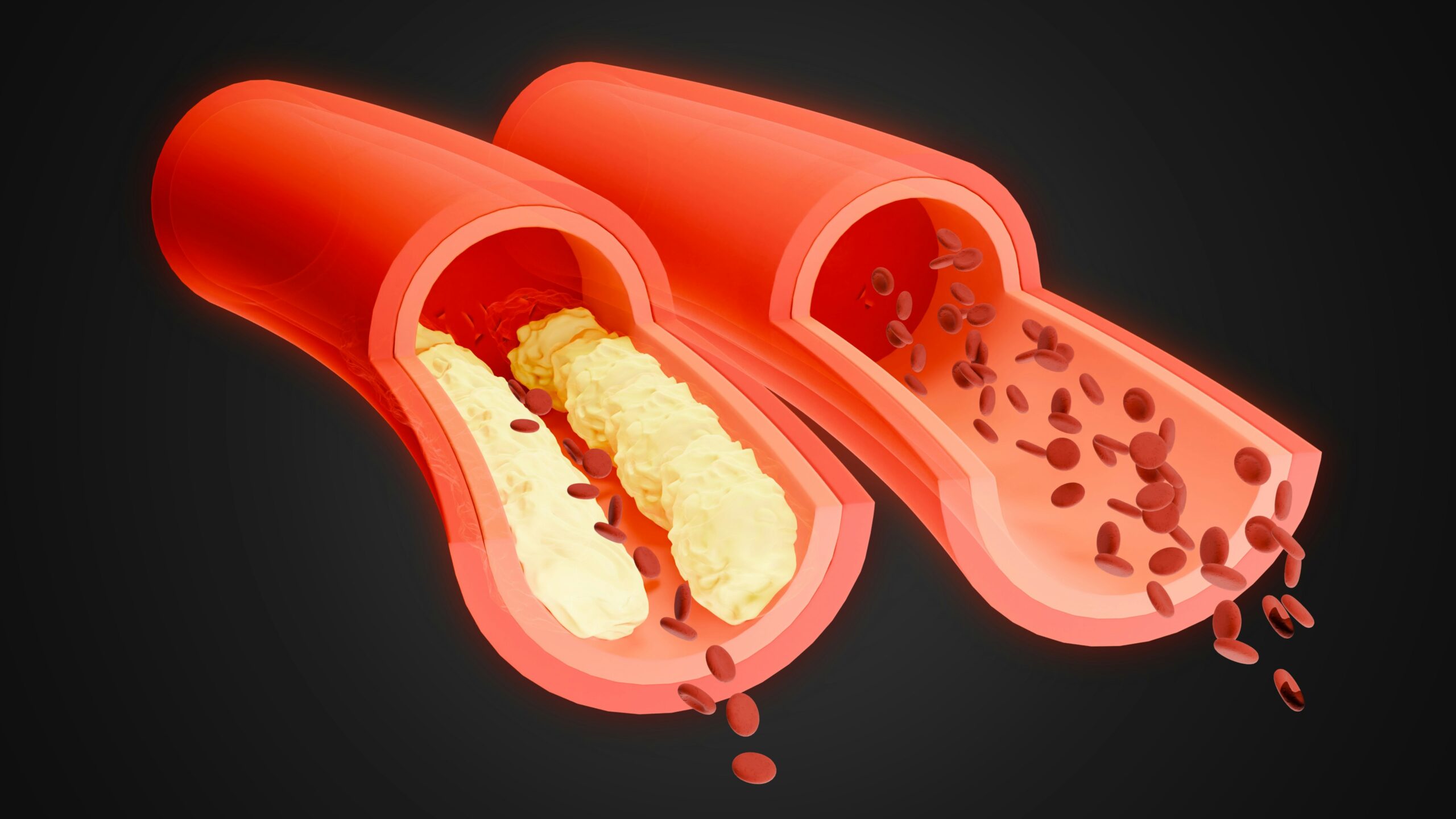
Vascular Disorders affect the body’s circulatory system, which includes arteries and veins that move blood throughout every organ. These vessels are essential for delivering oxygen and nutrients while removing waste from tissues. When they narrow, become blocked, or weaken, circulation slows, and the body struggles to function normally.
These conditions often develop slowly and may not show clear signs in the early stages. Many people ignore mild symptoms until the problem becomes more serious. With modern medical tools, doctors can now detect vascular problems earlier and treat them more effectively. Understanding diagnosis methods and treatment options helps patients take timely action and avoid complications.
Understanding Vascular Disorders and Blood Flow Problems
Vascular disorders occur when blood vessels do not work as they should. Arteries carry oxygen-rich blood from the heart to the body. Veins return oxygen-poor blood to the heart. When either system is damaged, blood flow becomes uneven or restricted.
This disruption affects the entire body. Organs may not receive enough oxygen. Muscles may feel weak during movement. In some cases, circulation problems appear in the legs first because the legs are farther from the heart. Over time, untreated issues may lead to serious health risks.
The main concern in vascular disorders is reduced circulation. When blood flow slows down, tissues begin to suffer. Early attention helps prevent long-term damage and improves chances of recovery.
Early Symptoms That Signal Vascular Problems
Early symptoms often appear in a mild form. A person may feel tiredness or discomfort in the legs after walking short distances. This discomfort may disappear with rest but returns during activity.
Some people notice cold hands or feet. Others may see skin color changes, such as paleness or a bluish tone. These signs suggest that blood is not flowing properly to the body’s outer parts.
As the condition progresses, symptoms become more noticeable. Pain may appear even during rest. Small cuts may take longer to heal. These signs indicate that the body is not receiving enough oxygen and nutrients in the blood.
Clinical Assessment and First Medical Evaluation
Doctors begin by asking simple questions about symptoms and lifestyle. They look for risk factors such as smoking, diabetes, high blood pressure, and lack of physical activity. These factors increase stress on blood vessels.
A physical examination follows. The doctor checks pulse strength in different areas of the body. They may also compare skin temperature between limbs. These steps help identify early signs of poor circulation.
This first evaluation is important because it guides the next steps. If vascular disease is suspected, the doctor will recommend further testing to confirm the condition and understand its severity.
Imaging Techniques for Clear Diagnosis
Imaging tests help doctors see how blood moves through vessels. One common method uses sound waves to check circulation. It shows whether blood is flowing smoothly or facing resistance.
This method is often the first imaging step because it is safe and simple. It helps detect narrowing or blockages in arteries and veins without discomfort for the patient.
More advanced scans give detailed images of blood vessels inside the body. These scans help doctors locate weak areas, clots, or narrowed sections. They also help plan the best treatment approach based on accurate visual information.
Blood Tests and Internal Health Checks
Blood tests provide important clues about vascular health. They measure cholesterol levels, blood sugar, and inflammation markers. High levels of these can damage blood vessels over time.
These tests also help identify underlying conditions that may contribute to poor circulation. For example, uncontrolled diabetes can weaken vessel walls and slow healing. High cholesterol can lead to the buildup inside the arteries.
Doctors also check how blood clots. If blood clots too easily, it may block vessels. If clotting is too slow, it may cause other risks. These results help doctors choose safe treatment options for each patient.
Modern Treatment Options for Vascular Disorders
Treatment depends on how early the condition is detected. In mild cases, doctors focus on improving lifestyle habits. Regular walking helps improve circulation. Healthy food choices support vessel health. Stopping smoking is one of the most important steps. Smoking damages blood vessels and reduces oxygen in the blood.
Avoiding it can significantly improve circulation over time. Managing stress also supports better heart and vessel function. Medicines may be prescribed when needed. Some reduce blood pressure. Others lower cholesterol or prevent clot formation. These treatments help protect blood vessels and improve blood flow throughout the body.
Minimally Invasive Procedures to Restore Circulation
When lifestyle changes and medication are not enough, doctors may use small procedures to improve blood flow. One common method involves opening narrowed vessels with a small inflatable device. This helps widen the artery and restore circulation. In many cases, a small support structure is placed inside the vessel to keep it open.
This helps maintain steady blood flow and reduces the chance of future blockage. These procedures are less invasive than traditional surgery. Recovery time is usually shorter. Patients can return to daily activities more quickly while still receiving effective treatment.
Surgical Treatment for Severe Vascular Conditions
In more serious cases, surgery may be required. Doctors may create a new path for blood to bypass a blocked area. This helps restore circulation to important parts of the body. Surgery is usually recommended when blood flow is severely restricted.
It is carefully planned after reviewing imaging results and test reports. The goal is to improve long-term blood supply and prevent complications. After surgery, patients need follow-up care. Doctors monitor healing and ensure blood flow remains stable. Recovery depends on overall health and adherence to medical advice.
Long-Term Care and Prevention Strategies
Long-term care is essential for managing vascular disorders. Patients are encouraged to maintain healthy habits even after treatment. Regular exercise helps keep blood flowing smoothly through the body.
A balanced diet supports vessel strength and reduces harmful buildup inside arteries. Managing conditions like diabetes and high blood pressure also plays a key role in preventing recurrence. Regular medical checkups help detect changes early. With consistent care, patients can reduce risks and maintain better vascular health over time.