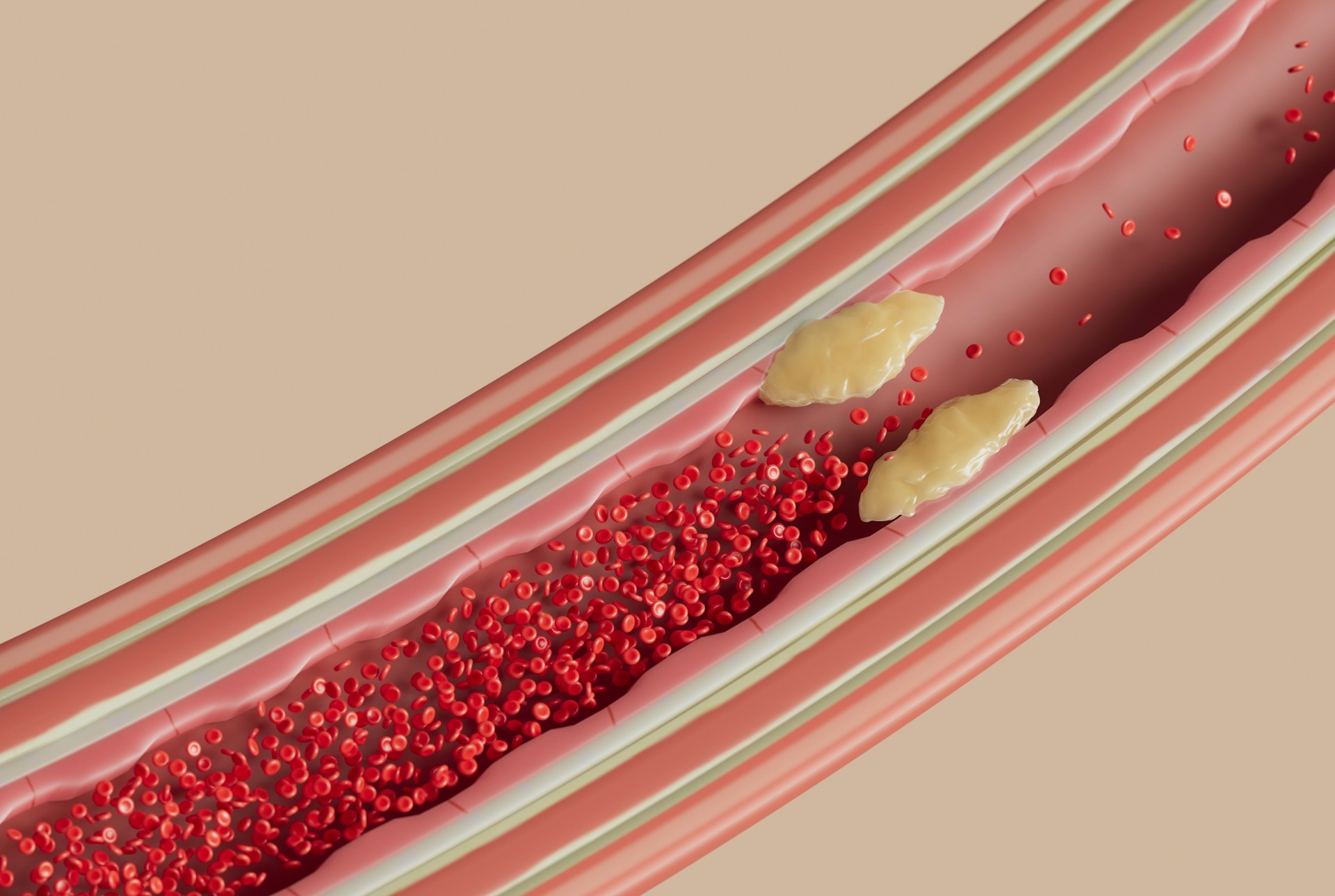
Carotid artery stenosis is a condition that develops when the major arteries in the neck become narrow because of plaque buildup. These arteries carry oxygen-rich blood to the brain, so any blockage can raise the risk of stroke and other serious health problems. Although the condition may not cause symptoms at first, early detection and proper care can greatly improve long-term health. Learning about carotid artery disease helps people recognize risks, seek timely medical advice, and make informed decisions about prevention and treatment.
How Narrowed Neck Arteries Affect Blood Flow
The carotid arteries sit on each side of the neck and play an important role in supplying blood to the brain. When fatty deposits collect inside these arteries, the opening becomes smaller. As a result, less blood can move freely through the vessel.
Over time, the narrowing may continue to worsen. In some cases, pieces of plaque or blood clots can break loose and travel to the brain. Consequently, this can block smaller blood vessels and cause a stroke. Understanding this process helps explain why doctors often recommend regular monitoring for people with known risk factors.
Common Risk Factors That Increase the Chances of Disease
Several health conditions and lifestyle habits increase the chance of developing carotid artery stenosis. High blood pressure, high cholesterol, diabetes, smoking, and obesity all contribute to plaque buildup inside the arteries. In addition, aging naturally raises the risk because blood vessels become less flexible over time.
Family history also plays a role. People with close relatives who have heart disease or stroke may have a greater chance of developing the condition. Therefore, knowing your personal and family medical history allows healthcare providers to recommend appropriate screenings and preventive care.
Warning Signs That Should Never Be Ignored
Many people with carotid artery stenosis have no symptoms until the condition becomes severe. That is why regular medical checkups are important, especially for those with multiple risk factors. Even without symptoms, narrowed arteries can still increase the risk of stroke.
When symptoms do appear, they often happen suddenly. Temporary weakness on one side of the body, trouble speaking, blurred vision, dizziness, or loss of balance may signal a transient ischemic attack, also called a mini stroke. Anyone experiencing these symptoms should seek emergency medical attention immediately because fast treatment can prevent permanent damage.
How Doctors Diagnose the Condition
Doctors begin by reviewing medical history and performing a physical examination. During the visit, they may listen to the neck with a stethoscope to detect unusual blood flow sounds called bruits. While this finding alone does not confirm the diagnosis, it can lead to additional testing.
Imaging tests provide a clearer picture of the arteries. Ultrasound remains one of the most common tools because it is safe, painless, and accurate. In some situations, physicians may recommend CT angiography, MR angiography, or conventional angiography for more detailed images. These tests help determine the degree of narrowing and guide treatment decisions using stroke prevention strategies based on each patient’s needs.
Treatment Options Based on Severity
Treatment depends on how much the artery has narrowed and whether symptoms have occurred. People with mild narrowing often benefit from medication along with lifestyle improvements. Blood pressure medicine, cholesterol-lowering drugs, and medications that reduce blood clot formation may help lower future risks.
More severe cases may require procedures to restore healthy blood flow. Carotid endarterectomy removes plaque directly from the artery, while carotid artery stenting places a small mesh tube inside the vessel to improve circulation. Doctors carefully evaluate each patient before recommending the most appropriate treatment option.
Healthy Lifestyle Choices That Support Better Outcomes
Daily habits have a powerful effect on artery health. Eating more fruits, vegetables, whole grains, lean protein, and healthy fats supports better circulation and helps control cholesterol levels. At the same time, reducing processed foods and excess salt can improve heart health.
Regular physical activity also strengthens the cardiovascular system. Furthermore, quitting smoking, limiting alcohol intake, maintaining a healthy weight, and managing stress all reduce the risk of plaque buildup. Small lifestyle improvements made consistently often produce meaningful long-term health benefits.
Working With Your Healthcare Team
Managing carotid artery stenosis requires ongoing communication with healthcare providers. Regular follow-up appointments allow doctors to monitor changes in artery narrowing and adjust treatment when necessary. Patients should also discuss any new symptoms immediately instead of waiting until the next visit.
Following prescribed medications exactly as directed remains equally important. In addition, keeping blood pressure, cholesterol, and blood sugar within recommended ranges supports better outcomes. Active participation in treatment helps reduce complications while improving overall cardiovascular health.
Taking Action Before Problems Develop
Early awareness gives people the best chance to prevent serious complications from carotid artery stenosis. Understanding personal risk factors, recognizing warning signs, and attending recommended health screenings all support earlier diagnosis and treatment. In many cases, prompt medical care combined with healthy lifestyle habits can significantly reduce the risk of stroke and improve quality of life through effective vascular health management.
Protecting the brain begins with protecting the arteries that supply it. Although carotid artery stenosis can become dangerous if left untreated, modern medicine offers effective ways to diagnose, monitor, and treat the condition. By working closely with healthcare professionals and making heart-healthy choices every day, individuals can lower their risk and enjoy better long-term health.